
Annual Report 2025
Quetzaltenango, Guatemala, C.A.
Words from our president and executive director
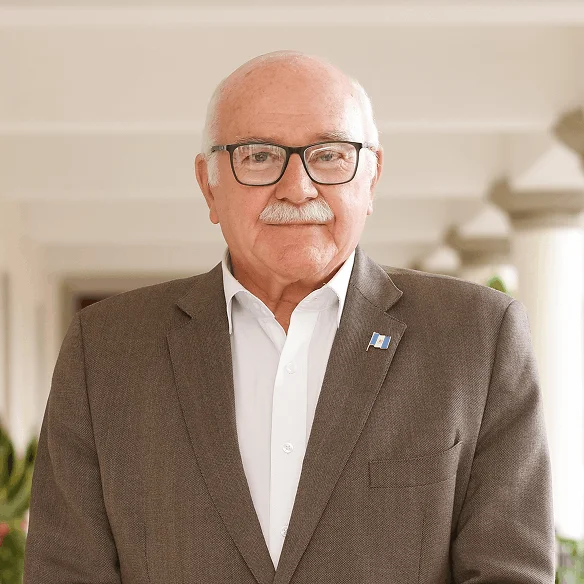
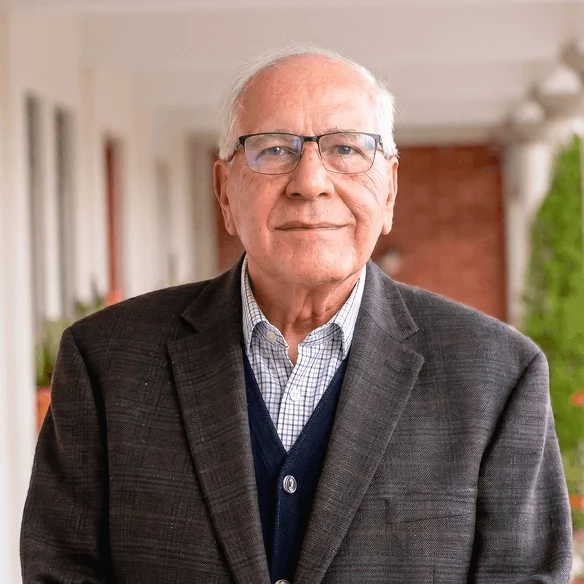
"FUNDAP's purpose is to promote the development of people and their communities through education and technical training"
Roberto Gutiérrez,
President of FUNDAP
“Our life takes on meaning when we decide to put it at the service of others”
Jorge Gándara,
Director of FUNDAP
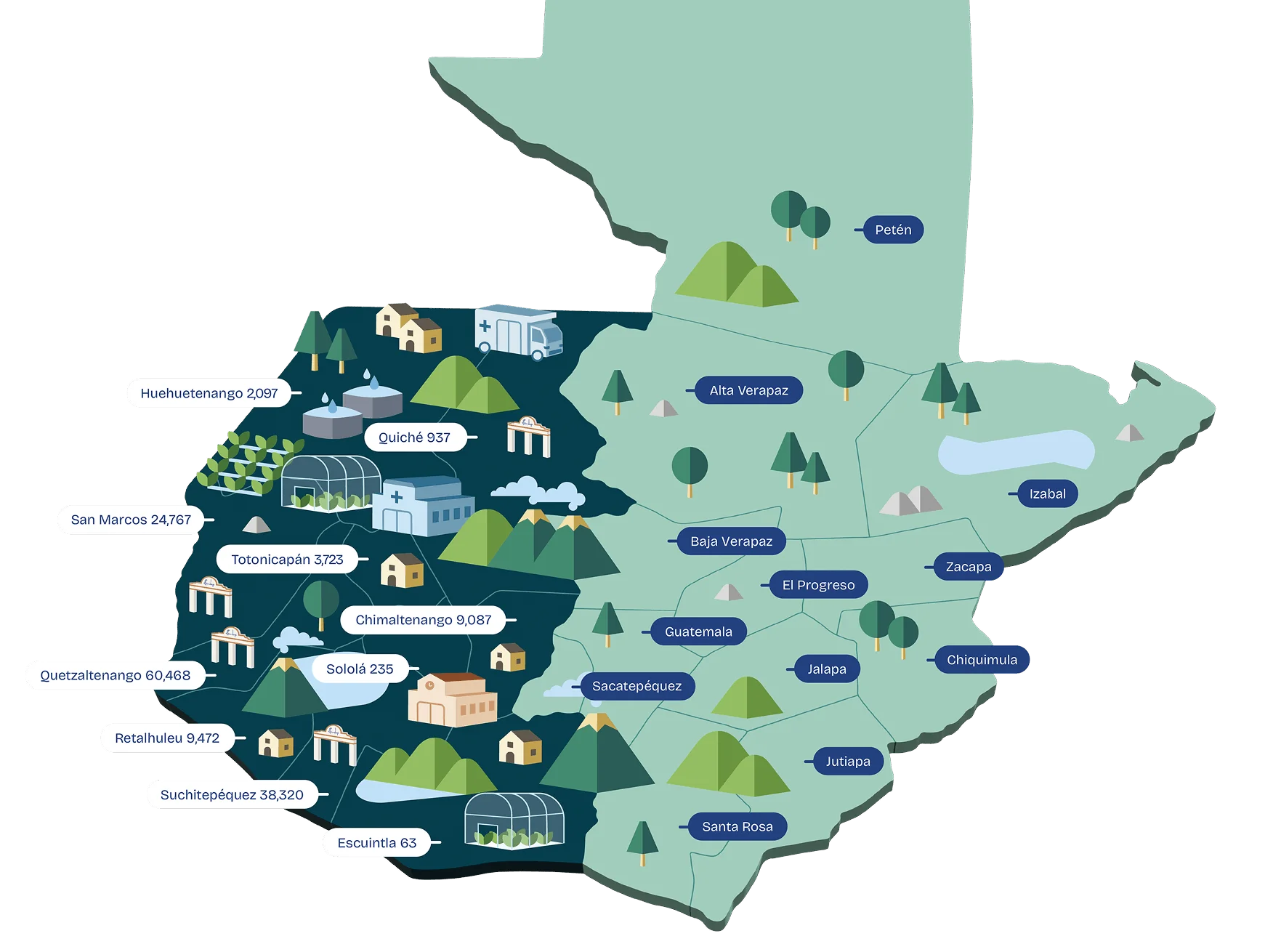
10 DEPARTMENTS WITH A POPULATION
OF 8.7 MILLION PEOPLE


Letter from the President
“FUNDAP’s purpose is to promote the development of people and their communities through education and technical training”.
As this year 2026 marks the thirtieth anniversary of the signing of the Peace Accords, it is fitting to mention in this letter the contribution that FUNDAP made at the time to the process that led to that signing — and with it, to the end of the brutal armed conflict that for decades caused death, destruction, and social confrontation in Guatemala.
To reach that signing, a series of meetings were held in the country, especially among representatives of the Government and the insurgency. Among the first and most important was the one held on Contadora Island, Panama, in 1983, in which a group of countries proposed seeking a peaceful solution to the conflicts in Central America, including the one in Guatemala.
FUNDAP, then very young, decided to contribute to that process. To do so, it organized a series of events that brought together leaders from various sectors — including members of the army, the insurgency, the business community, religious leaders, and academics, among others — in order to demonstrate that dialogue was possible and that mutual understanding could emerge from it. Experts were hired to facilitate the dialogue strategy, with positive results: bringing closer together sectors that had grown distant due to the situation.
The peace-building process continued with the signing of the Esquipulas II Agreement in 1987, which established the mechanisms to achieve peace and reconciliation in the region. That agreement laid the foundation for the negotiations between the Government and the URNG, which finally concluded with the signing of the Peace Accords on December 29, 1996. As mentioned, FUNDAP's participation was temporary and specifically focused on the early stages of the process — particularly to facilitate dialogue as a central element in the search for consensus.
The Foundation's next project was the one that truly marked the beginning of its institutional purpose, which can be summed up as contributing to poverty reduction by supporting individuals and families in their personal development. The first project within that vision of development was carried out with the German foundation Hans Seidel, and consisted of training entrepreneurs and small business owners in matters such as bookkeeping, inventory management, administration, and marketing. This project was implemented over three years in more than 20 communities in the western part of the country.
But it was in 1985 that the Foundation truly “took off” when it won a project funded by U.S. cooperation. We called it the Momostenango project, named after the place where it was carried out, and it set a consistent direction for our work. The project consisted of supporting producers of woolen products (ponchos, rugs, etc.), as well as sheep farmers in the Sierra Madre and Los Cuchumatanes mountain ranges.
These projects were accompanied for five years, and from them — and the positive impact achieved — FUNDAP structured a development model that, starting from identifying a product capable of generating relatively significant employment in a community, was replicated in various municipalities and departments. Such was the case with ceramics in Totonicapán, woodwork in Nahualá, and natural fibers in Quiché.
The Foundation's support in those places concluded by leaving behind installed capacity, knowledge, and cooperatives to ensure the continuity of the effort. Today, 45 years after being created as an institution, FUNDAP works on various issues in the western part of the country, through programs that build the capacities of lower-income individuals to improve their productivity.
Among the training opportunities offered are: Nursing School (Auxiliary Nurses); courses in mechanics (cars and motorcycles); cooking (chefs) and pastry-making; hairdressing and beauty; and clothing design and tailoring. These courses are offered in various formats at any of our four Technical Training Centers.
Among the most popular courses, several formats are available: 192-hour intensive courses with the option to stay on-site; 400-hour basic courses; and 520-hour diploma programs.
To deliver these, FUNDAP has four Technical Training Centers, in addition to offering services in remote communities by sending trainers and equipment using transportation suited to that purpose.
In addition to technical training, the Foundation provides education and healthcare services — the latter through medical clinics that serve the Foundation's beneficiaries and their families.
As mentioned, FUNDAP's purpose is to promote the development of people and their communities through education and professional technical training.
Throughout its history, the Foundation, drawing on the knowledge and research it has acquired, has created strategic, simple, and culturally appropriate models that offer the average user a meaningful improvement in their work, personal, and family life. For this reason, it is worth getting to know these topics in more depth — and to that end, I invite you to read the contents of this annual report.
But what has made FUNDAP a successful institution, in terms of the support it provides to thousands of families, is having highly qualified personnel who are committed to the development of Guatemala.
Francisco Roberto Gutiérrez Martínez
May, 2026

Letter from the Executive Director
“Our life takes on meaning when we decide to put it at the service of others”
Dear FUNDAP family,
A transcendent decision
There is a fundamental truth that defines a person's character: at some point in our lives, we all face an unavoidable choice. We can choose to live focused on our personal interests, seeking the security of self-benefit, or we can make the transcendent decision to dedicate our lives to the service of others.
Faced with the shortages and lack of opportunities that we constantly see in our beloved Guatemala, especially in rural areas, life confronts us with a fundamental choice: to work for ourselves, or to work to find solutions to this reality. In other words, to fully understand the meaning of the word “Charity.” This decision does not depend on how much we have or what professional title we hold; it depends solely on our willingness to leave a positive mark on the world. “To help alleviate human suffering in all its manifestations.”
At FUNDAP, we have operated for over 40 years under an unwavering premise: everything we do — every project, every consultation, and every intervention — must carry the mark of helping others. This has been our identity and the reason why today we are an institution that has earned the prestige and respect we hold, especially from our beneficiaries, who are the true protagonists of what we do.
The profession as a tool for change
It is often thought that development is a purely technical task. However, in these four decades, we have learned that technique without heart does not transform realities — it is not “development” in the truest sense of the word.
- To our collaborators: You are the ones who carry out this vision in the field, who look into the faces of poverty and seriously consider how you can contribute to alleviating it. Thank you for showing that, regardless of your specialty, your true vocation is service. You have turned your workday into an act of constant dedication. You have made service your profession. In every community visited, in every training delivered, and in every hand extended, you are validating FUNDAP's promise: that the human being is at the center of everything, and that their dignity is our absolute priority — especially for those most in need.
- To our donors and partners: You are the support that makes this vision a sustainable reality. Your decision to support FUNDAP is a sign that you have integrated social responsibility into your life vision, putting the common good before personal interests. We want to tell you: your contribution is the tangible expression of that life decision. By giving up part of your resources or time to invest them in development, you are imprinting that 'mark of service' on your lives. You have understood that true prosperity is the kind that is shared. You are our companions on this wonderful journey.
- To our beneficiaries: You have opened the doors of your communities and homes to us, and you have believed that together we can build not only justice but also hope. You are the ones who welcome us with affection, who often invite us into your homes to share what little you have. You are the ones who open your hearts and trust us — to such an extent that, even in very difficult circumstances, you have taken on the role of being the agents of your own development. You make our actions endure over time and teach us that what we do is worthwhile, by showing us the results in the improved quality of life of your families.
At FUNDAP, we are convinced that the work, profession, or trade we perform is, in reality, a vehicle for expressing that decision.
It does not matter whether we are agronomists in the field, doctors at a clinic, technicians in a workshop, or administrative staff in an office; what truly transcends is that everything we do carries the mark of helping others.
This philosophy is not new to us; it has been our compass and our driving force for more than 40 years.
A path of dedication through service
Looking back, we recognize that FUNDAP was not born from simple technical planning, but from an act of will — the personal decision to take on the challenge of ensuring that others have what they need to live a dignified life. Over four decades, we have shown that, regardless of our personal circumstances — whether of abundance or hardship — there is always the possibility of tilting the balance toward the common good, drowning evil in an abundance of good.
Maintaining this vision for more than 40 years has not been easy, but it has been deeply rewarding to learn the stories of individuals and families who, through our programs, now have a better future. We have learned that the profession in development work is only a tool — it is concrete actions that transform reality.
When a healthcare project is carried out with the objective of helping others, it stops being a statistic and becomes a life saved. When a microloan is granted with that same dedication, it becomes employment opportunities and economic improvements for a family. When a girl is supported so she can continue her education, we are changing lives.
Better agricultural production allows a family to achieve food security.
Our circumstances may change, the economic environment may fluctuate, and social challenges may evolve, but the decision to serve must remain unwavering. That is the legacy FUNDAP has built and the one that, today, together with you, we must protect and project into the future.
A renewed commitment
In writing these lines, we not only want to thank you for the past, but also invite you to reaffirm this life decision for the years to come. The world needs more people who, regardless of their position or status, ask themselves every day: “How can I, today, from where I am, leave my mark of service in the lives of others?”
Thank you for accompanying us at FUNDAP in being the instrument to channel your generosity and your talent. Thank you for being part of this story of more than 40 years, in which we have shown that, when we decide to care for others, our own lives take on meaning — a transcendent purpose that personal interest could never reach.
The value of what we give
FUNDAP is not just an organization; it is the result of thousands of individual decisions that have come together for a greater purpose. For more than 40 years, we have navigated diverse circumstances — always adapting, but never losing our essence: helping our neighbor above any personal interest.
This mark of service is what allows us today to present tangible results in education, health, and productivity. These are not just numbers; they are families who today live a dignified life because someone, somewhere, decided to accept the challenge that their life and work should serve a purpose greater than themselves.
Forward with the same conviction
The challenge ahead is to continue with this work ethic. I invite us all to keep being an example that prosperity can be achieved while keeping a humble heart, willing to serve.
Thank you for trusting FUNDAP, for being part of our history, and for deciding, alongside us, that the best use we can give our lives is to put them at the service of others.
I would like to close these lines by thanking God for allowing us to be instruments of the wonderful project He has for the human being — for each of us — which we are called to discover amid our personal circumstances, through dialogue with Him.
Let us continue working with the conviction that our daily effort is the best legacy we can leave to future generations of Guatemala.
With gratitude and hope.
Sincerely,
Jorge Arturo Gándara Gaborit
May, 2026

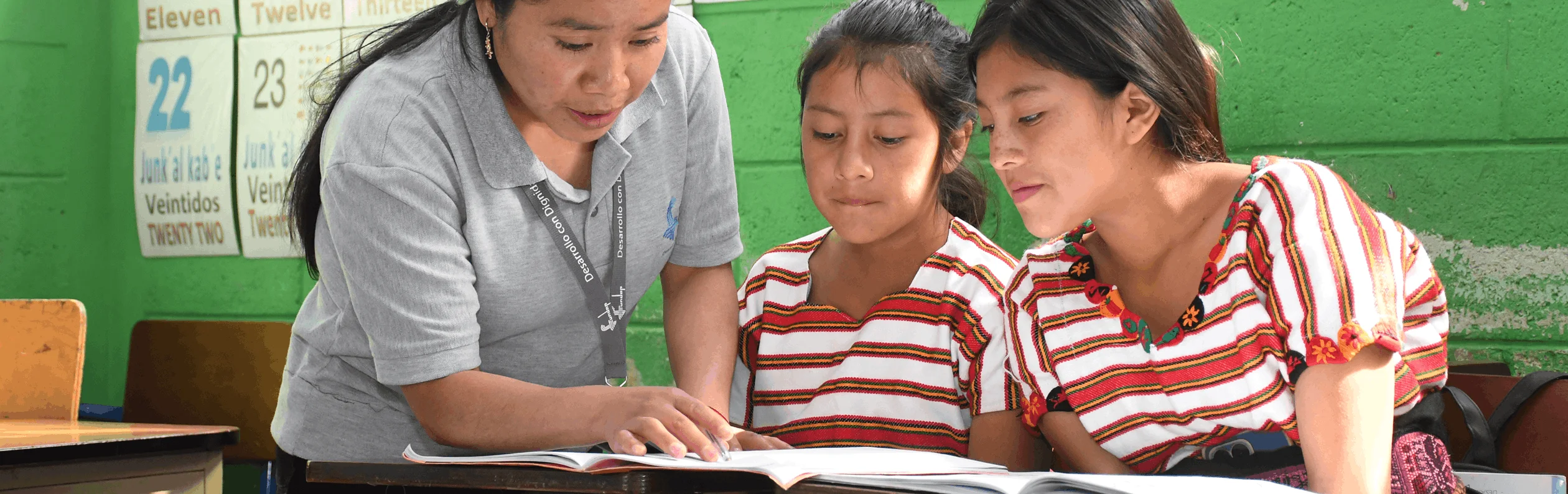
Education Program
Promotes the economic development of urban and rural areas in southwestern Guatemala through actions such as granting loans, training, and advisory services to entrepreneurial microenterprises.
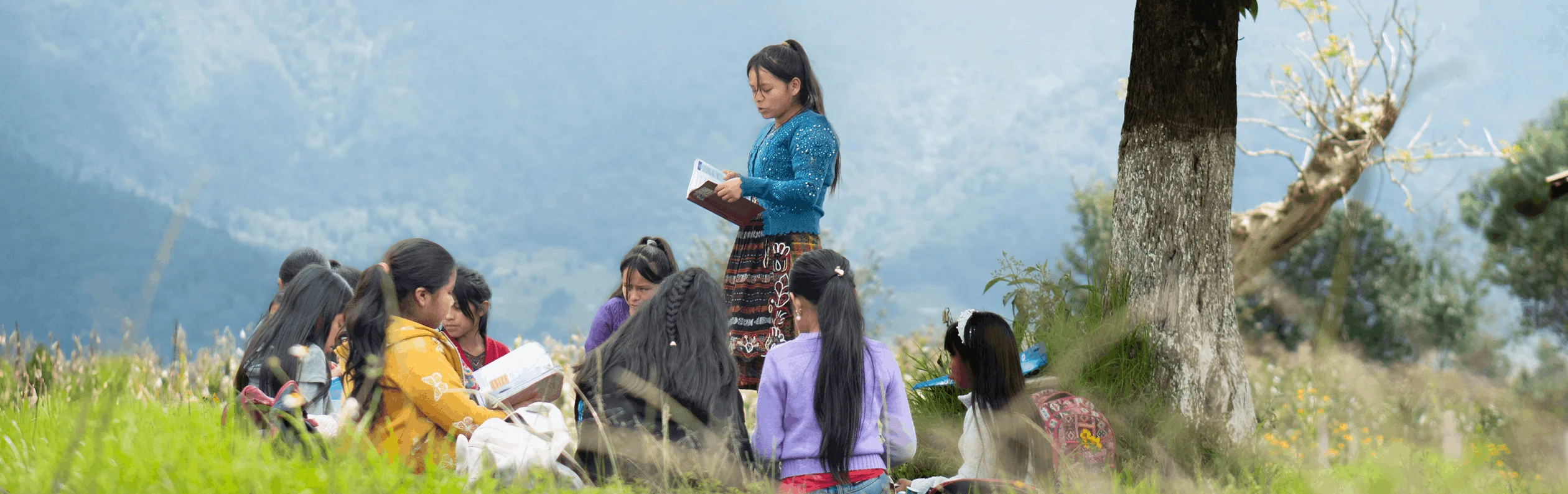
beneficiaries served in 2025 53.4% of beneficiaries served during the year are women 99.95% of girls remain in school
Healthcare Program
Promotes the health of the most disadvantaged by reducing the causes of morbidity and mortality. It is always focused on prevention and on the qualification of health agents.
beneficiaries served in 2025 74.15% of beneficiaries served during the year are women 62% of children improved their nutritional status
Microcredit Program
Promotes the economic development of urban and rural areas in southwestern Guatemala through actions such as granting loans, training, and advisory services to entrepreneurial microenterprises.
beneficiaries served in 2025 92.54% of beneficiaries served during the year are women 125 village banks supported with new loans
Agricultural Program
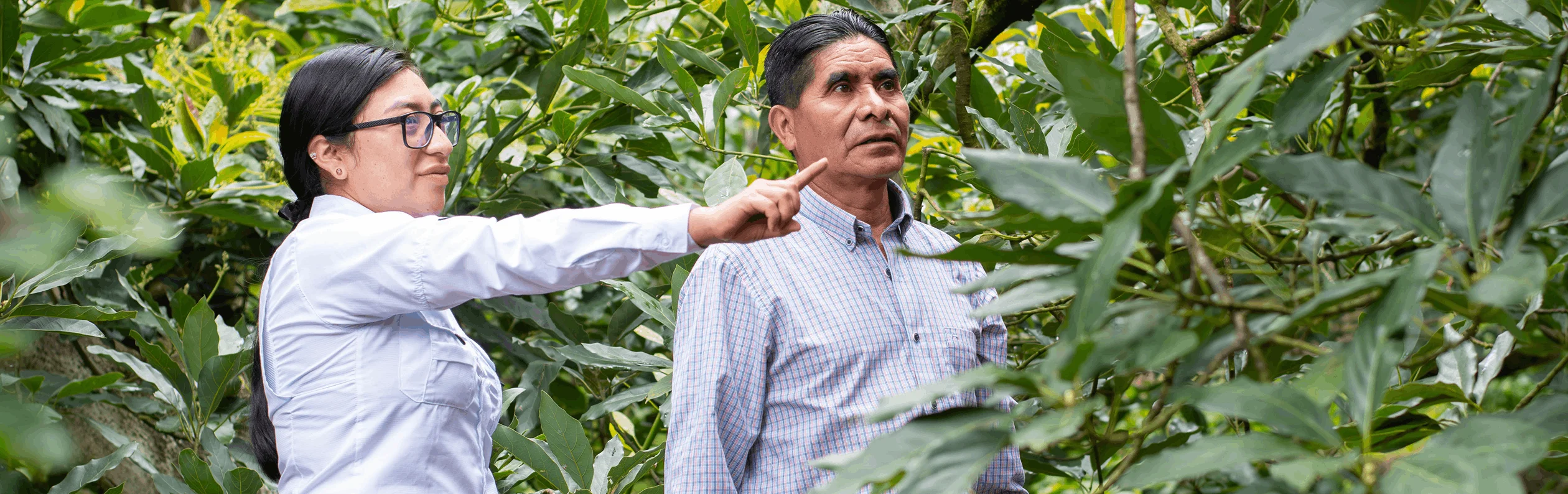
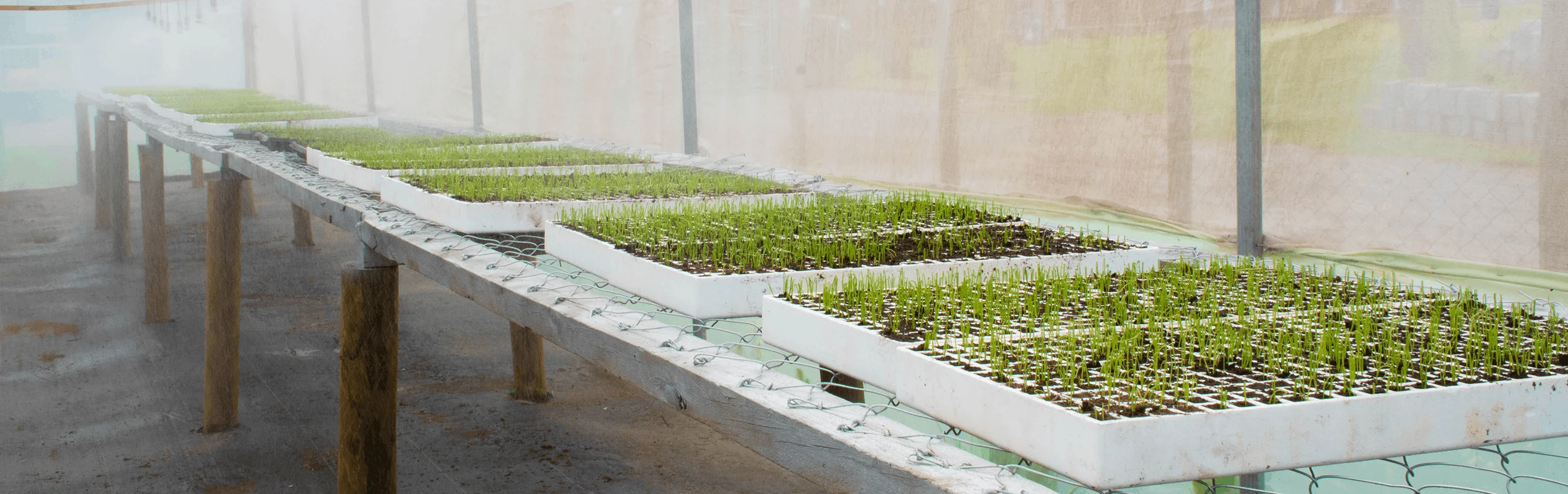
Through training and technical assistance, beneficiaries develop the ability to produce healthy food with a respectful approach to nature.
beneficiaries served in 2025 75.4% of beneficiaries served during the year are women 4,307 productive units established
Environmental Program
Implements actions to mitigate the effects of climate change and promote the conservation and protection of natural resources.
beneficiaries served in 2025 48.92% of beneficiaries served during the year are women 148 beneficiaries of forestry incentives served in 2025


Education Program
Beneficiaries served in 2025:
47,003
beneficiaries served
- 25,107 women
- 21,896 men
Beneficiaries served by department:
Silence was not a limit, it was the beginning of my dream
Abigail Cottóm
BeneficiariEducation
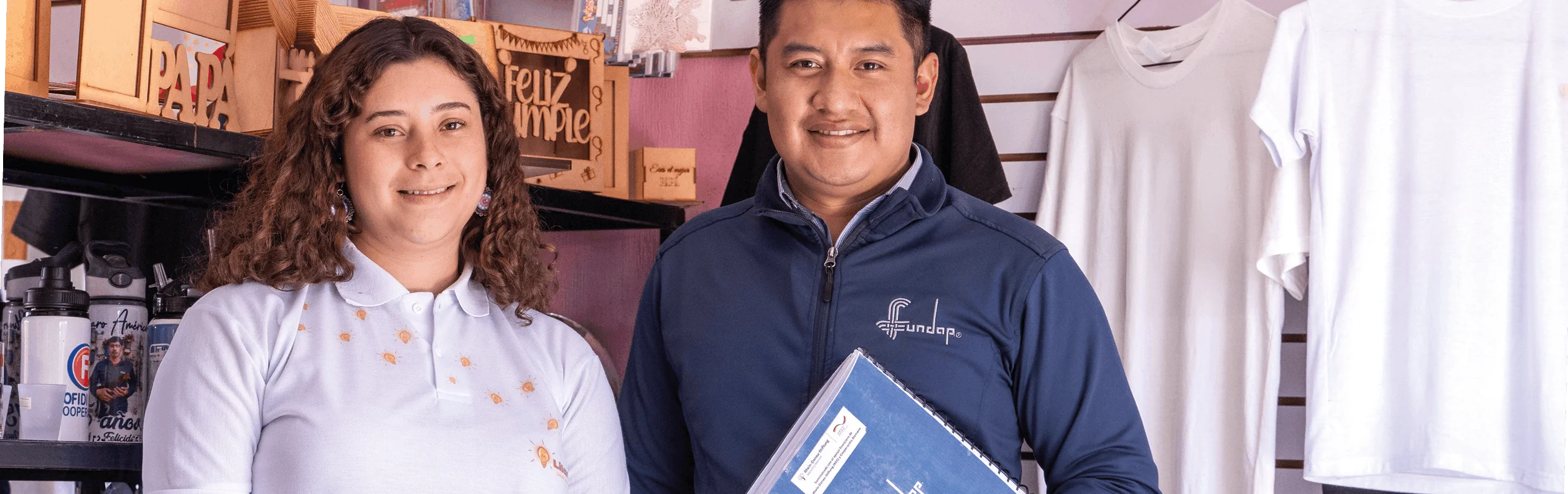
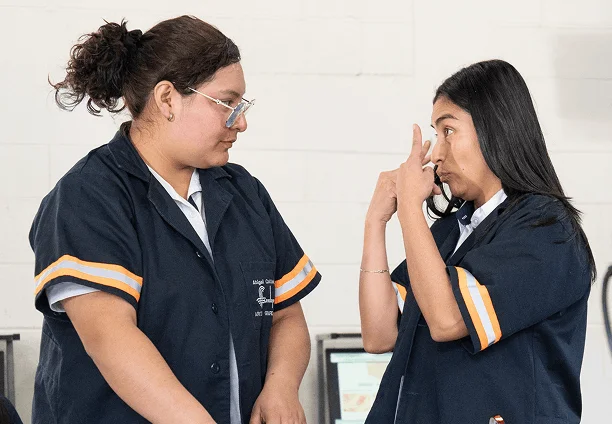
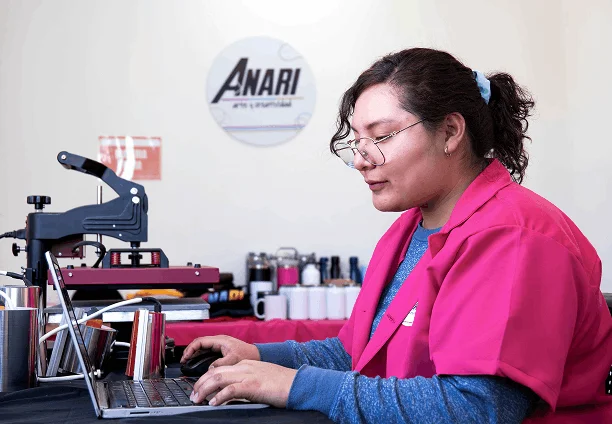
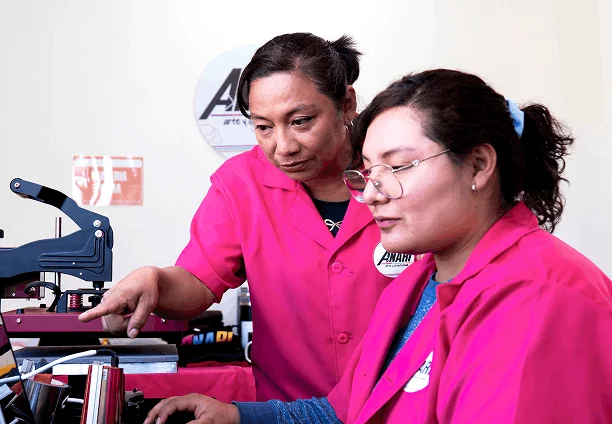
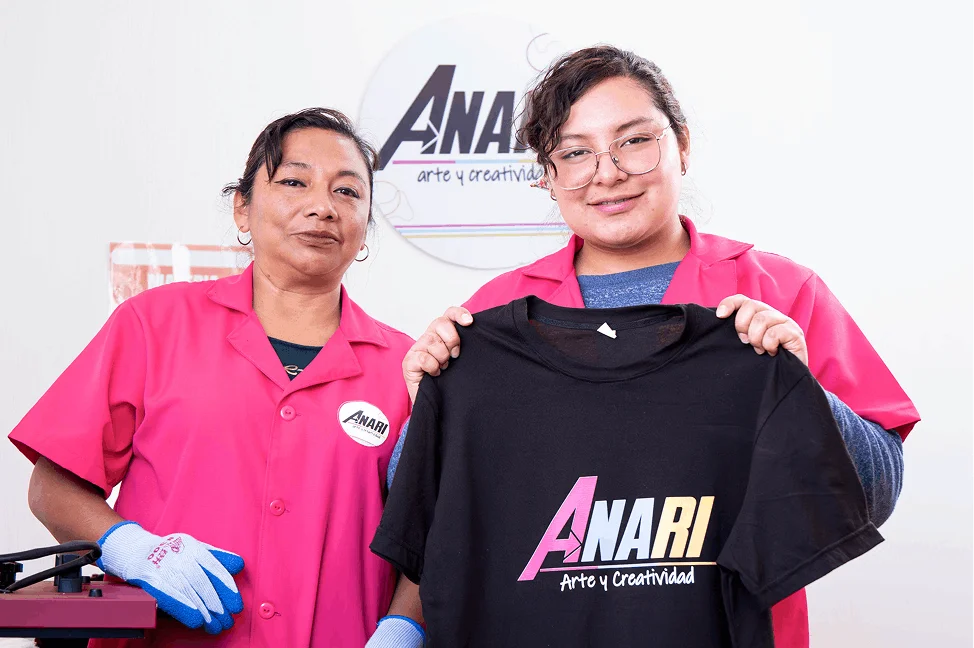
From a young age, I faced barriers to learning, but at FUNDAP I discovered my potential. My mother, who started out as my interpreter, learned and grew alongside me. With effort and support, I started my own business creating designs, overcoming the lack of resources until we obtained our own equipment. Today we work as a team: I design and create, while she communicates with clients. This process strengthened us and allowed us to build our own project in an inclusive space. Now I dream of growing my business and opening up opportunities for other deaf people, showing that with support and dedication, it is possible to move forward. This dream… we are building it together.
Read full storyProgram Actions

Formal Education Centers
183 people develop technical skills
136 people trained in the Technology Academies
15 people with hearing disabilities trained

Technical and Vocational Training
862 people completed their basic training (CEDES)
2,033 people completed basic or advanced courses
31 young people participated in Immersion courses

Promotion of Educational Quality
989 teachers trained in Pedagogy and educational management
3,045 parents engaged
15 schools improved their infrastructure

Business School
1,467 microentrepreneurs supported through MBA, Impulsa tu Sueño, and PreMBA
116 jobs generated by the businesses served
93% of entrepreneurs apply best practices in their businesses

Scholarships for Girls
4,100 girls and young women supported
90% of parents support their daughters’ education
99.05% of scholarship recipients pass to the next grade
Healthcare Program
Beneficiaries served in 2025:
24,389
beneficiaries served
- 18,082 women
- 6,307 men
Beneficiaries served by department:
When a need becomes a vocation
Catherine Maldonado
BeneficiariHealthcare
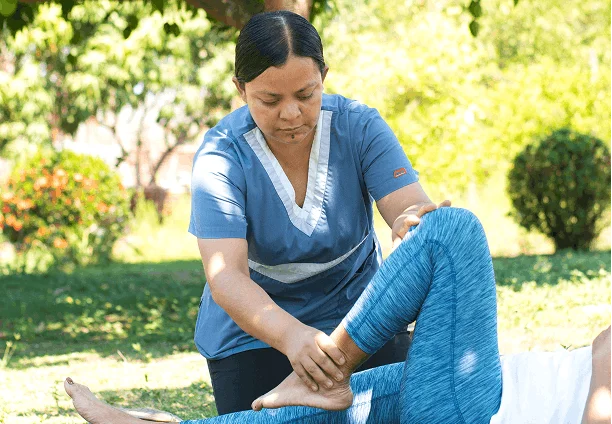
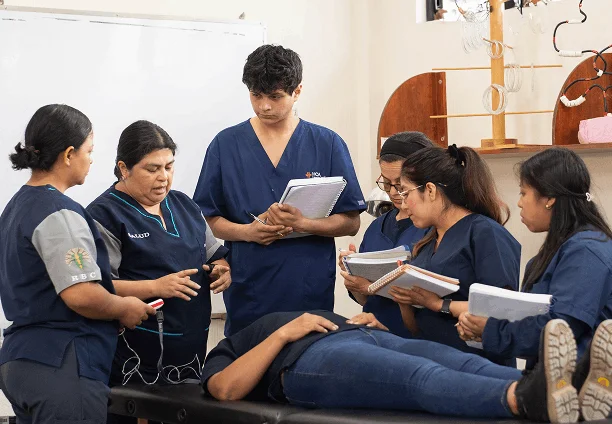
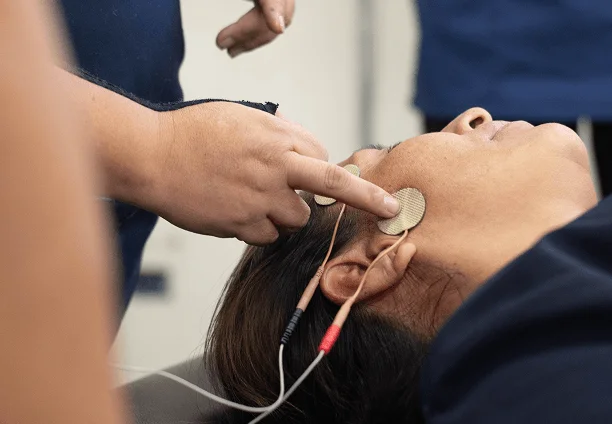
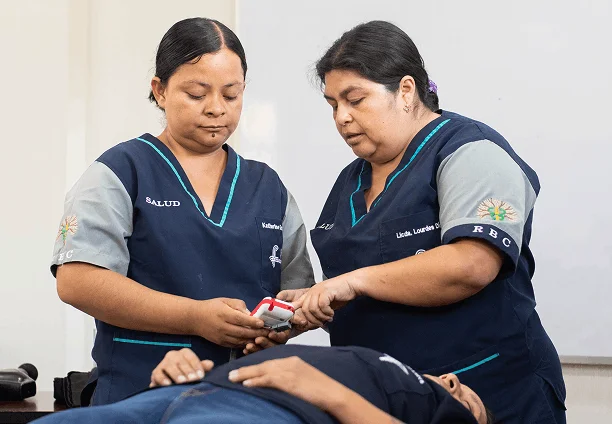
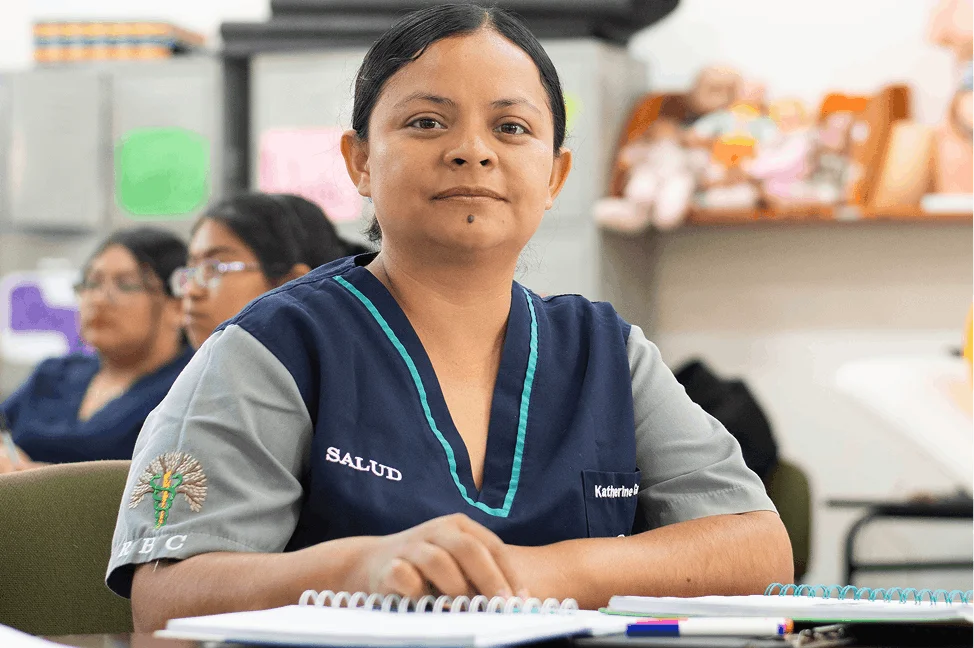
My calling for healthcare came to me when I saw the lack of services in my community during my mother's illness. This motivated me to train at FUNDAP's Technical School of Health, where I gained knowledge in physical rehabilitation. Today I apply what I learned in San José La Máquina, providing care through the Community-Based Rehabilitation approach, especially to people with limited access to services. Through therapies, I have helped improve the mobility and quality of life of patients. In addition, this work represents a dignified income and reinforces my commitment to continue training so I can better support my community.
Read full storyProgram Actions

Medical Clinics
20,056 medical consultations provided in clinics and medical campaigns
126 consultations strengthening dental health
73% of those served were children and women

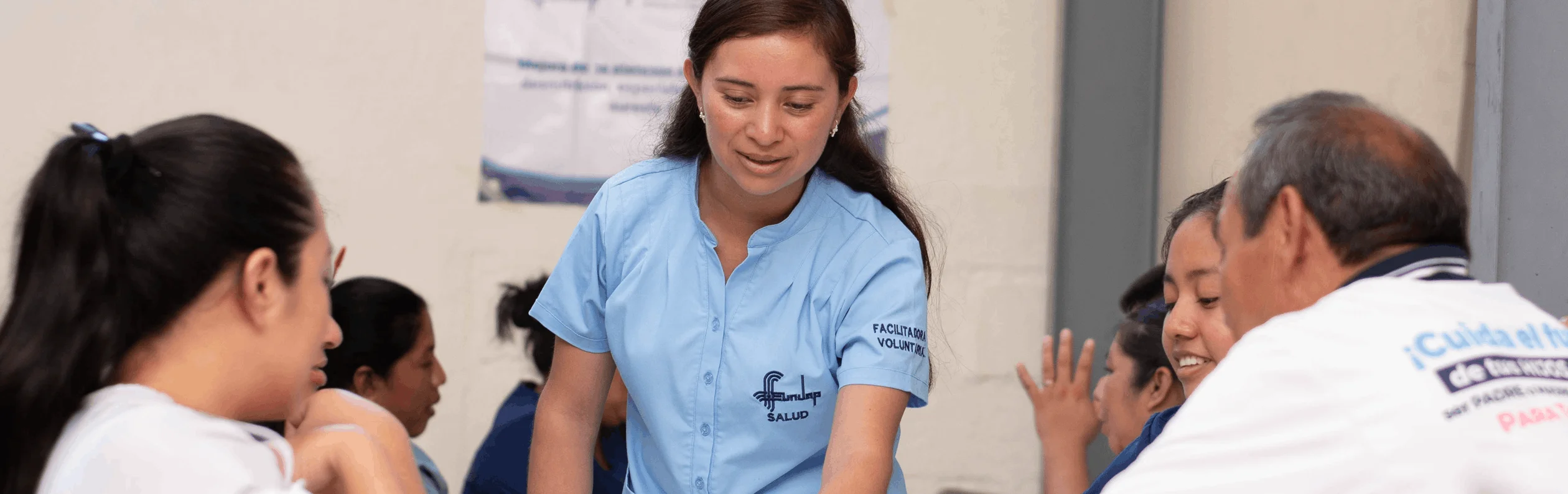
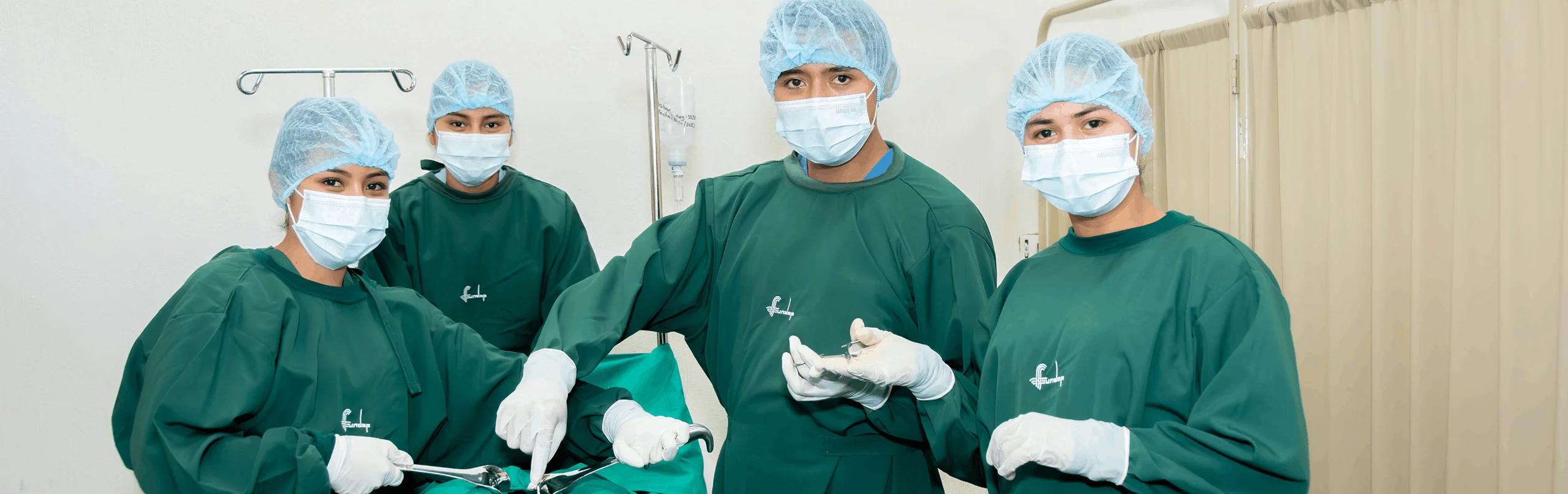
Technical School of Health
233 young people accredited in different areas of the Technical School of Health
100% of nursing students passed the Ministry of Health’s exam
85% successfully entered the workforce

Nutritional Recovery
2,426 children aged 6 months to 5 years received nutritional support
62% of children improved their nutritional status
274 children in the Children of Mary Project show 87% adequate weight and height

Training of Health Volunteers
1,400 new volunteers trained
42 surveillance committees organized and operating
90,000 activities carried out by the various volunteers, reaching more than 10,000 families

Microcredit Program
Beneficiaries served in 2025:
63,500
beneficiaries served
- 58,765 women
- 4,735 men
Beneficiaries served by department:
Strengthening capabilities for business development
Shirley Castillo
BeneficiariMicrocredit
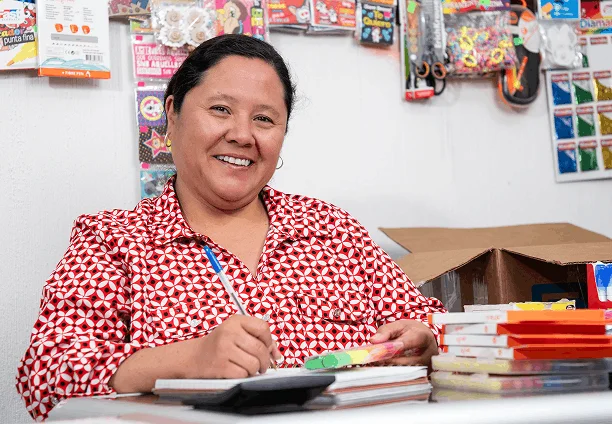
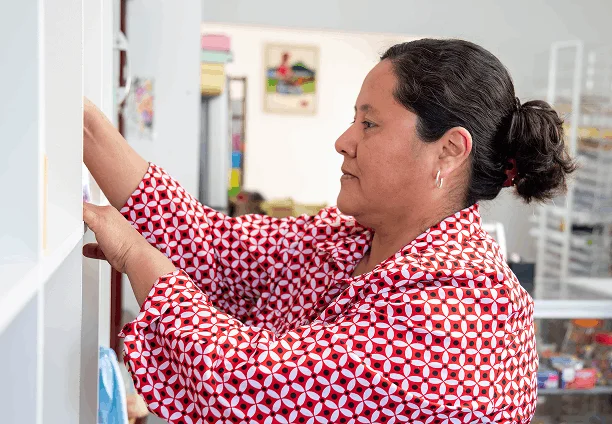
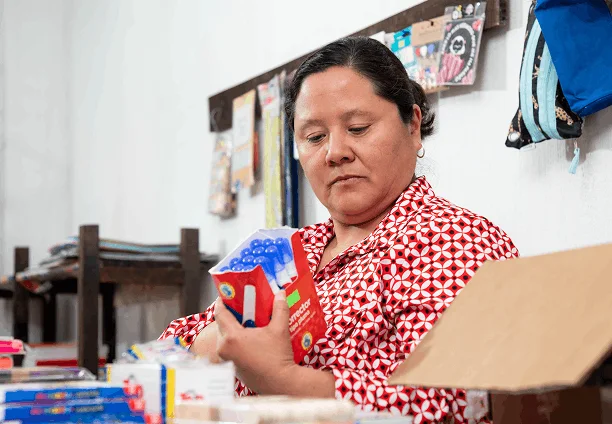
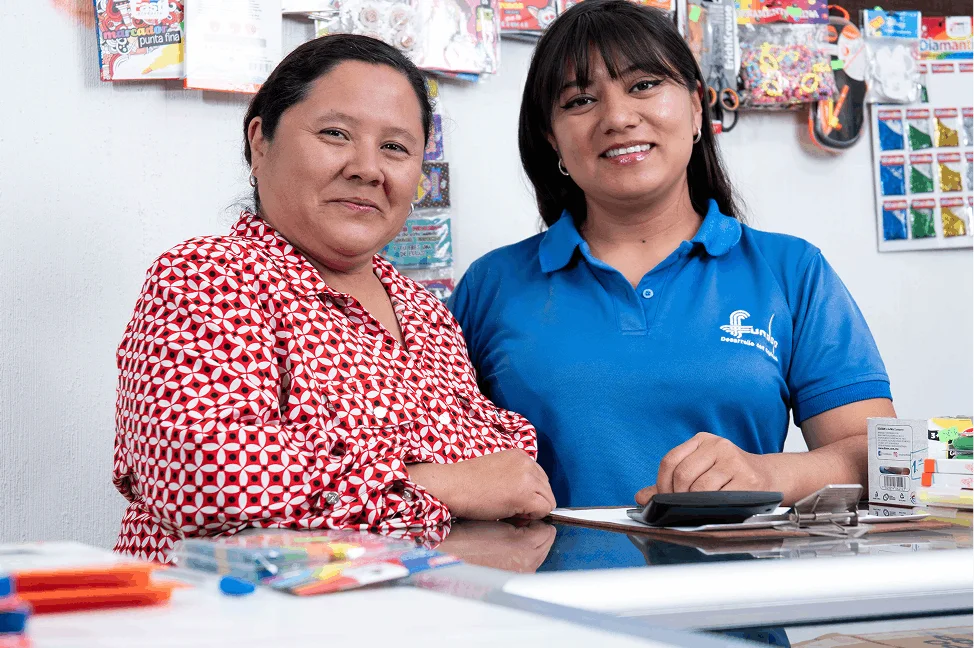
I'm Shirley, a mother and entrepreneur. Before joining the Foundation, I made a living through catalog sales — an unstable activity that required constantly searching for new clients. At FUNDAP, through the Impulsa tu Sueño program and the Business Technical Center, I received training that strengthened my skills and my business vision. I also accessed healthcare services for my daughter and myself. Today I offer higherquality products and I'm working to create a space to support other women entrepreneurs. My experience shows that, with training and support, it's possible to strengthen businesses and generate economic development, building a more dignified and sustainable future.
Read full storyProgram Actions

Agricultural Line
1,440 beneficiaries (men and women) supported through this line
1,651 people received technical advice
2,335 technical assistance visits provided in the field

Village Banking
2,538 active village banks in operation
125 village banks supported with new loans
1,031 beneficiaries trained at 35 congresses

Infrastructure Line
3,509 beneficiaries supported in purchasing land and/or building
31% of active beneficiaries renovated their homes
638 properties valued free of charge

Microenterprise Line
1,009 beneficiaries strengthened their working capital
40 beneficiaries enrolled in the automatic loan renewal plan
76 recognitions awarded to beneficiaries with outstanding track records

Consumer Line
217 beneficiaries supported in covering expenses
81% of beneficiaries from rural areas, the sector with the least access to this type of credit
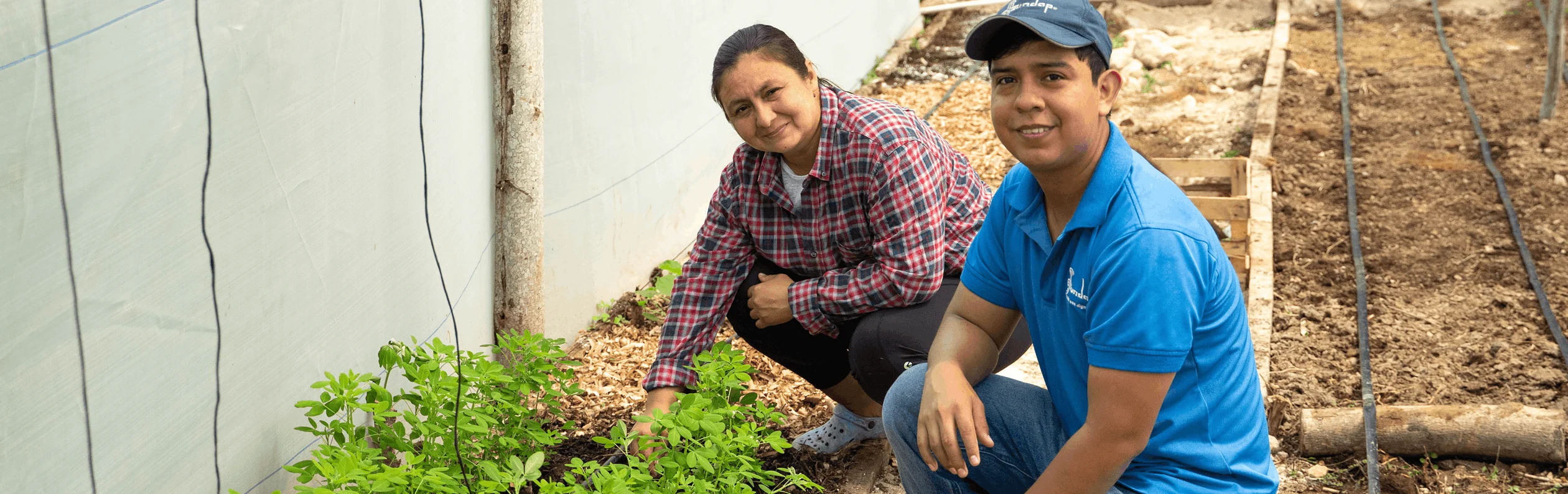
Agricultural Program
Beneficiaries served in 2025:
11,728
beneficiaries served
- 8,849 women
- 2,879 men
Beneficiaries served by department:
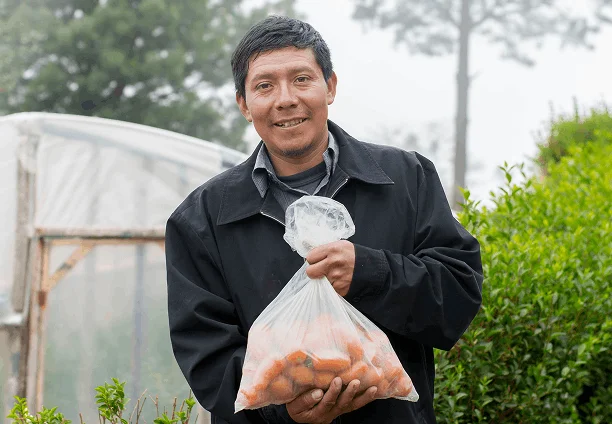
The day we decided to stay and start building
Ulmaro Hernández
BeneficiariAgricultural
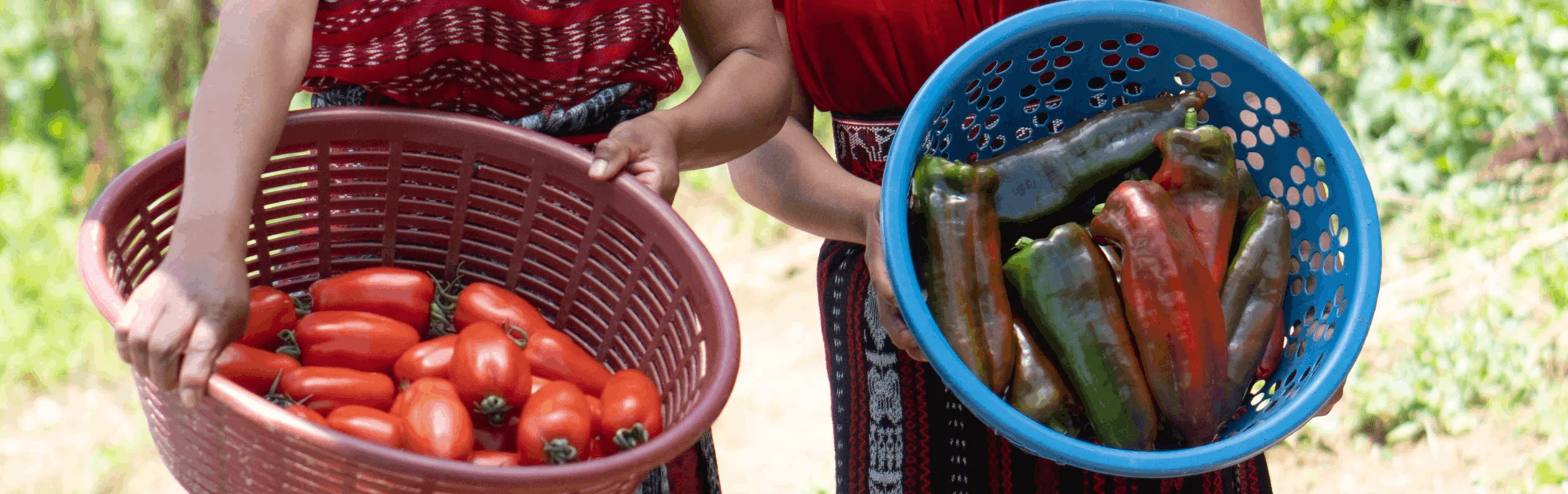
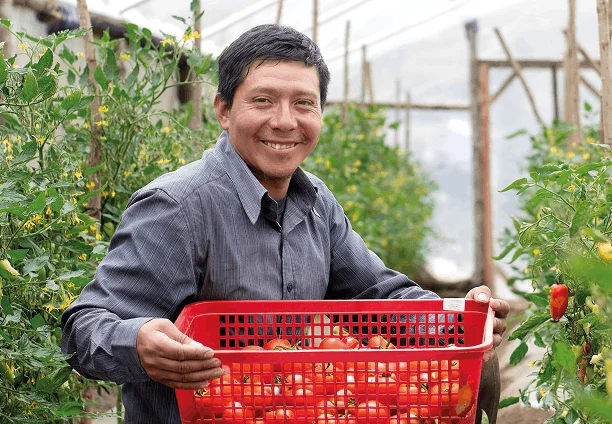
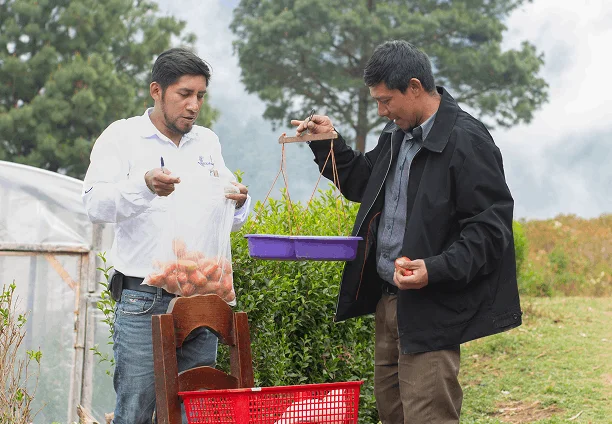
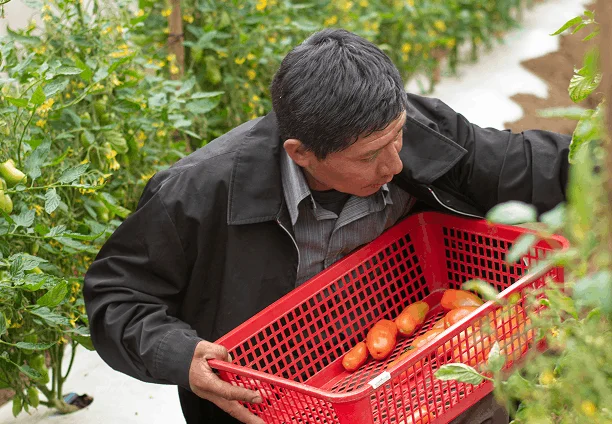
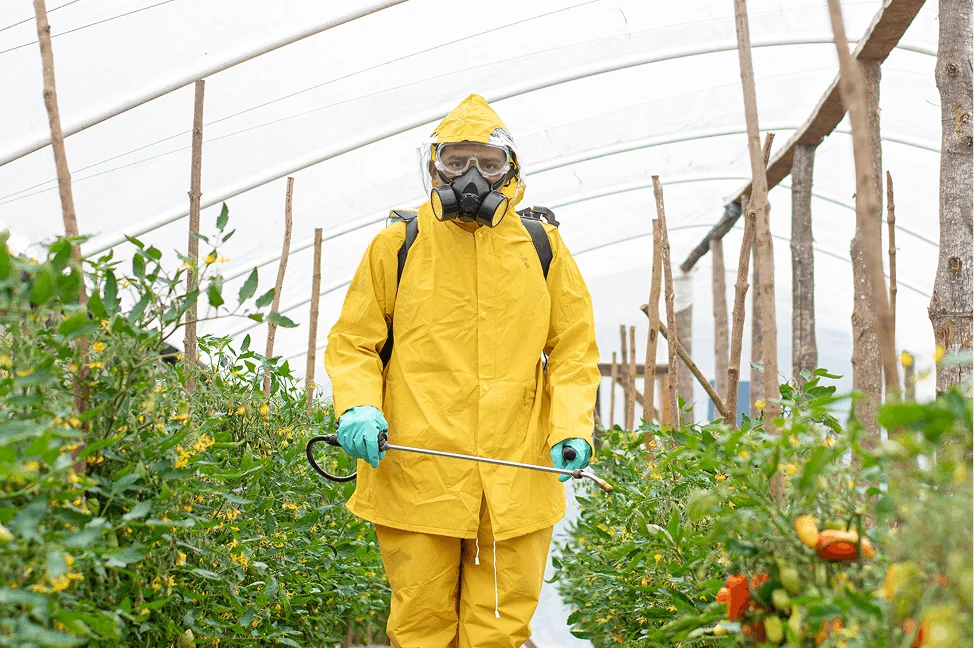
Our life was marked by migration to Chiapas in order to support our families. Without education or technical knowledge, we faced losses in our crops. Everything changed when the Foundation arrived: we learned to use natural fertilizers and improve production, especially of tomatoes. Today we no longer migrate; we work our own land, produce our own food, and sell locally. We have improved our quality of life and kept our family together. Now I can prevent agricultural problems using local resources. I dream of going back to Chiapas — not as a day laborer, but as a producer — and I encourage others to keep trying and to believe that it is possible to move forward.
Read full storyProgram Actions

Comprehensive Education and Training
4,654 training events held
379 volunteers continued their training as agricultural multipliers
67% of trained volunteer agricultural promoters are women

Productive and Business Technical Assistance
4,718 families received technical assistance
2,335 technical assistance visits to village bank and individual loan beneficiaries
98.15% of beneficiaries are accompanied throughout their production processes

Market Linkage
9 business fairs held
134 promoters and families participated in the fairs
72% of fair participants are vulnerable families

Appropriate Technology Transfer
30 educational tours conducted
1,242 beneficiaries participated in congresses and educational tours
75% of beneficiaries receiving technical assistance are women
Environmental Program
Beneficiaries served in 2025:
2,496
beneficiaries served
- 1,221 women
- 1,275 men
Beneficiaries served by department:
Community organization for conservation and development
Loma Linda Integrated Agricultural Cooperative
BeneficiariEnvironmental
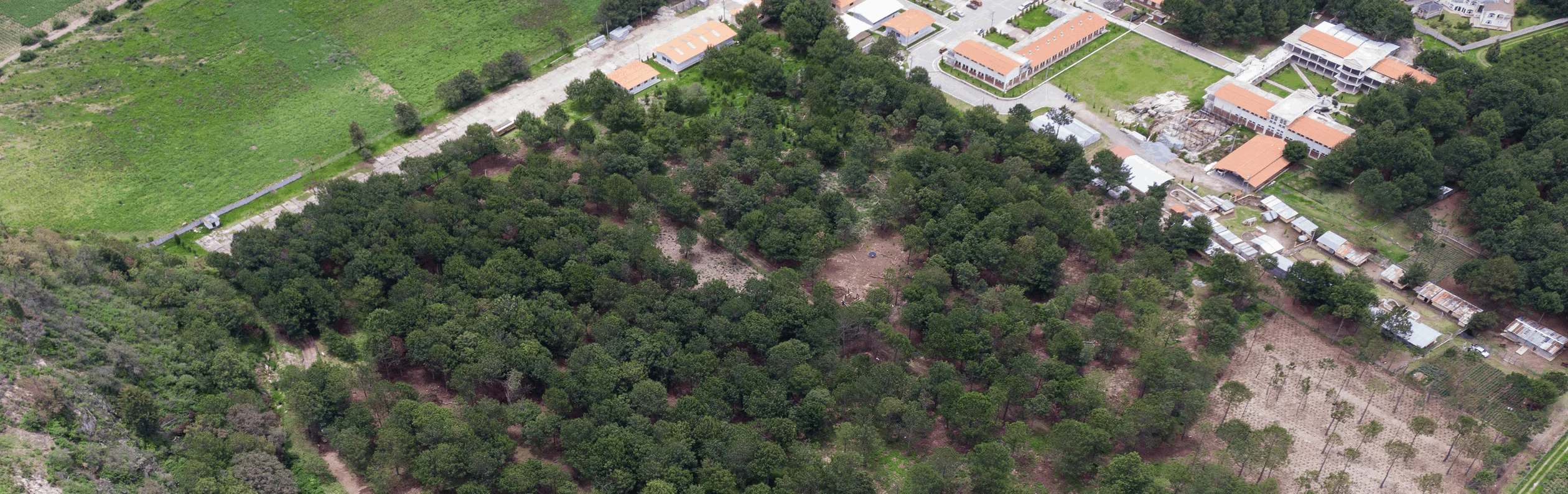
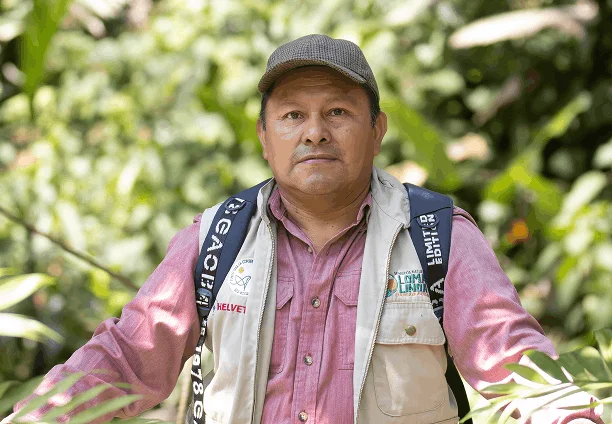
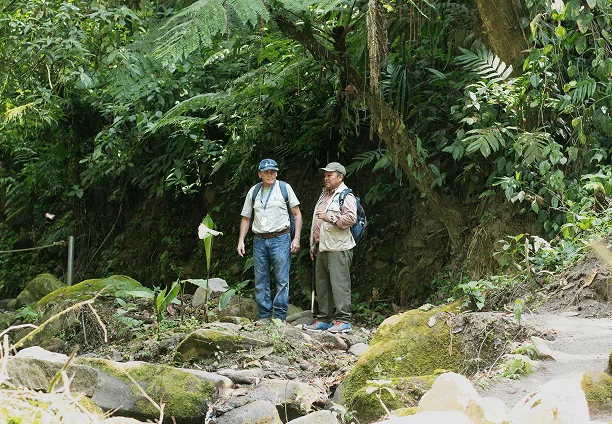
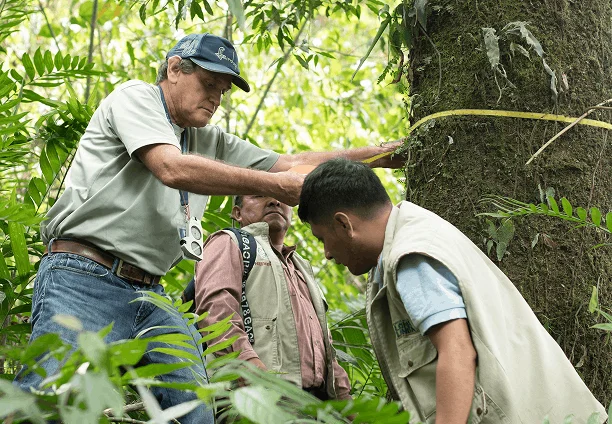
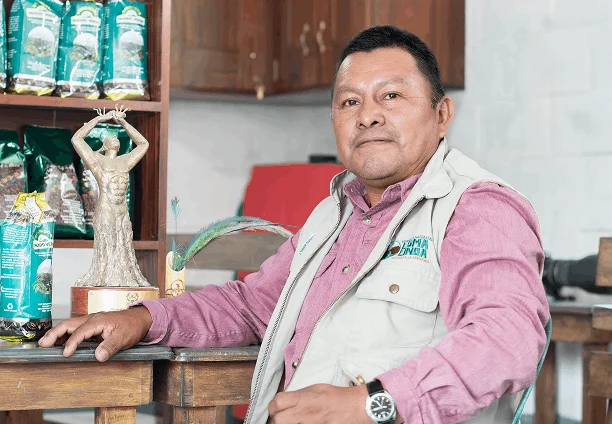
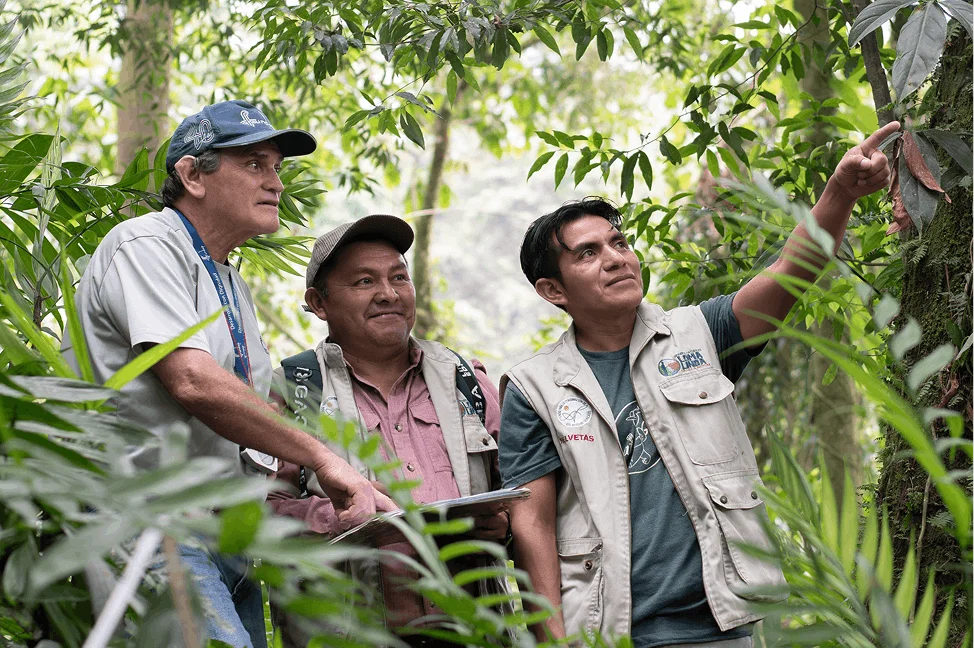
The community of Loma Linda was founded in 1976 in El Palmar, Quetzaltenango, and has evolved through community organization. Originally focused on land ownership and coffee, it later promoted ecotourism through ASODILL, taking advantage of its natural resources. With FUNDAP's support since 2008, management, infrastructure, and forestry practices have been strengthened. Today the cooperative protects 66 hectares of forest with great biodiversity. Forestry incentives have improved the local economy and environmental conservation. The community now offers lodging, hiking, and other activities, promoting ecological commitment — all thanks to a shared effort.
Read full storyProgram Actions

Forest Management
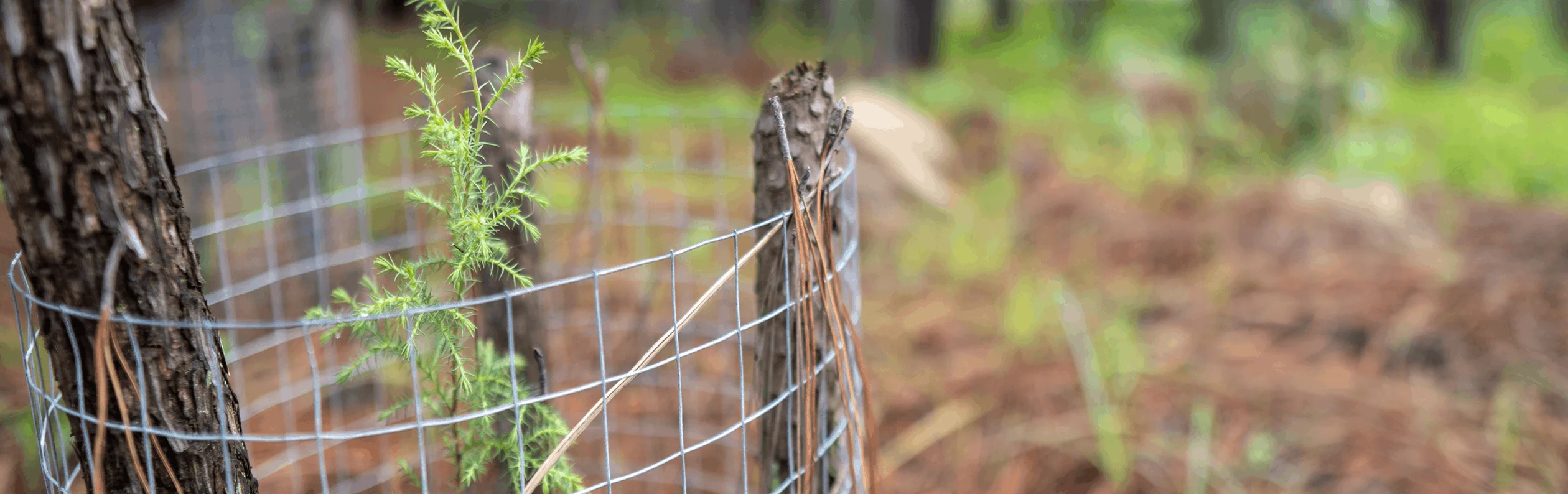
148 beneficiaries received forestry incentives
25 women own land enrolled in forestry incentive programs
100% of beneficiaries received technical assistance

Environmental Awareness and Education
2,250 people received environmental awareness training
3 forestry–agroforestry plantations established
100% of primary producers participate in forest plantations

Social Organization
40 environmental committees formed in the schools served
200 students make up the environmental committees
100% of environmental committees established a school project

Comprehensive Education and Training
2,356 people received environmental training
38 volunteer environmental promoters trained
84% of environmental promoters participate in educational tours
Stories of our beneficiaries and collaborators
Stories that highlight the impact of FUNDAP
 4:44
4:44
Silence was not a limit, it was the beginning of my dream
Abigail Cottóm, Education Program
 3:37
3:37
When a need becomes a vocation
Catherine Maldonado, Healthcare Program
 4:09
4:09
Strengthening capabilities for business development
Shirley Castillo, Microcredit Program
 4:13
4:13
The day we decided to stay and start building
Ulmaro Hernández, Agricultural Program
 4:12
4:12
Community organization for conservation and development
Loma Linda Integrated Agricultural Cooperative, Environmental Program
 3:03
3:03
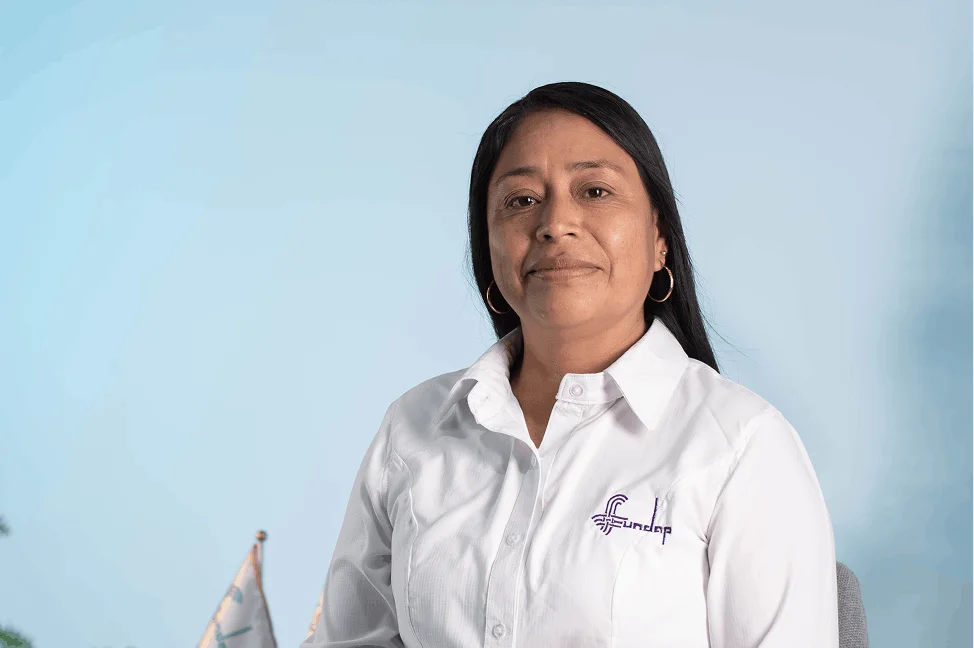
"I'm passionate about being able to serve others"
Beatriz Xon, Education Program
 3:46
3:46
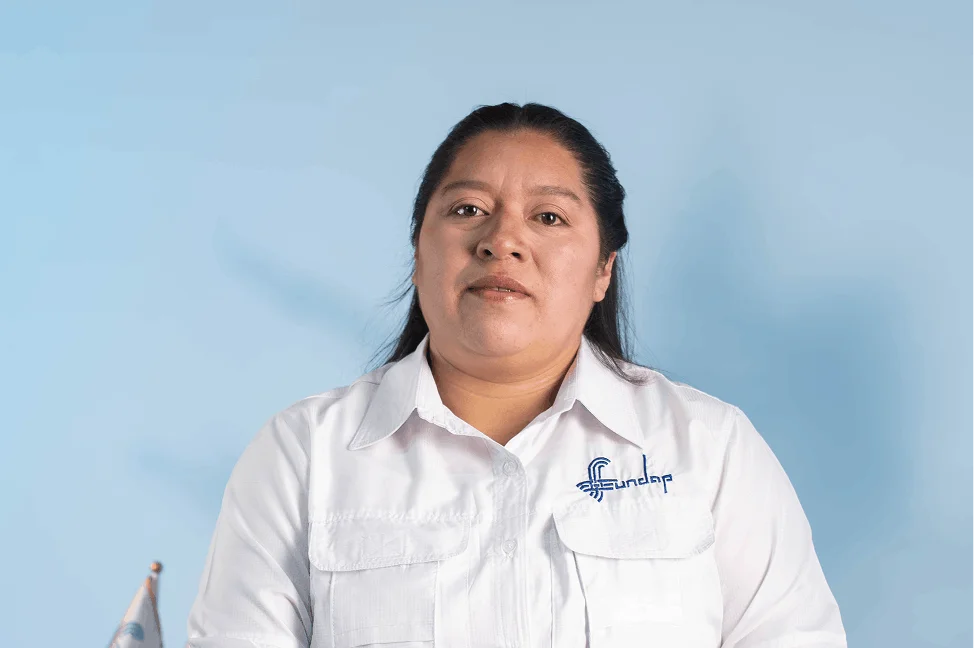
Aligned with the mission of eradicating poverty
Glendy Menchú, Healthcare Program
 4:43
4:43
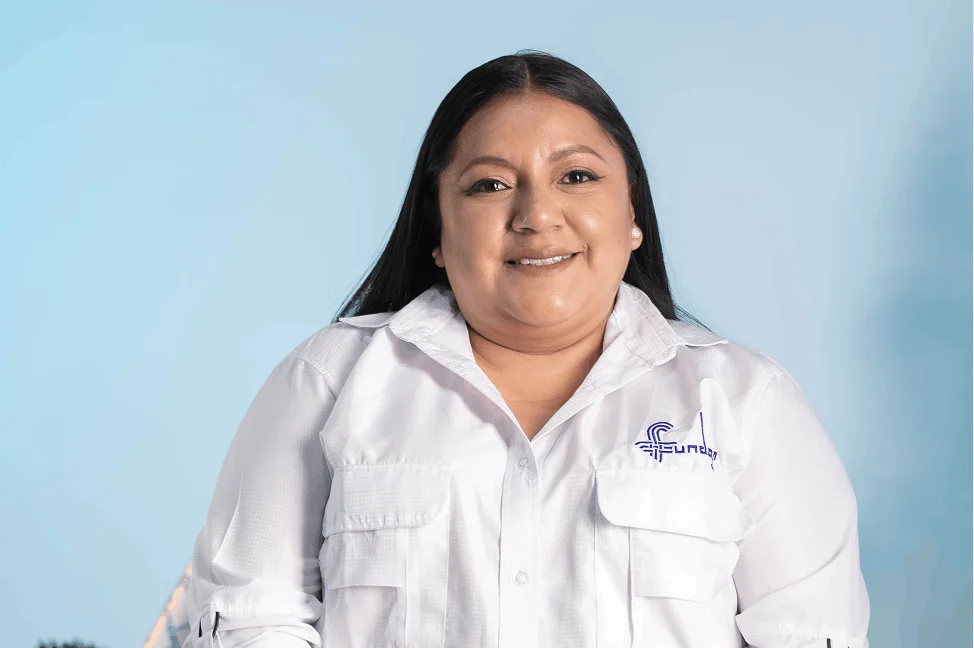
"FUNDAP is respect, service, commitment, and passion"
Sandra González, Microcredit Program
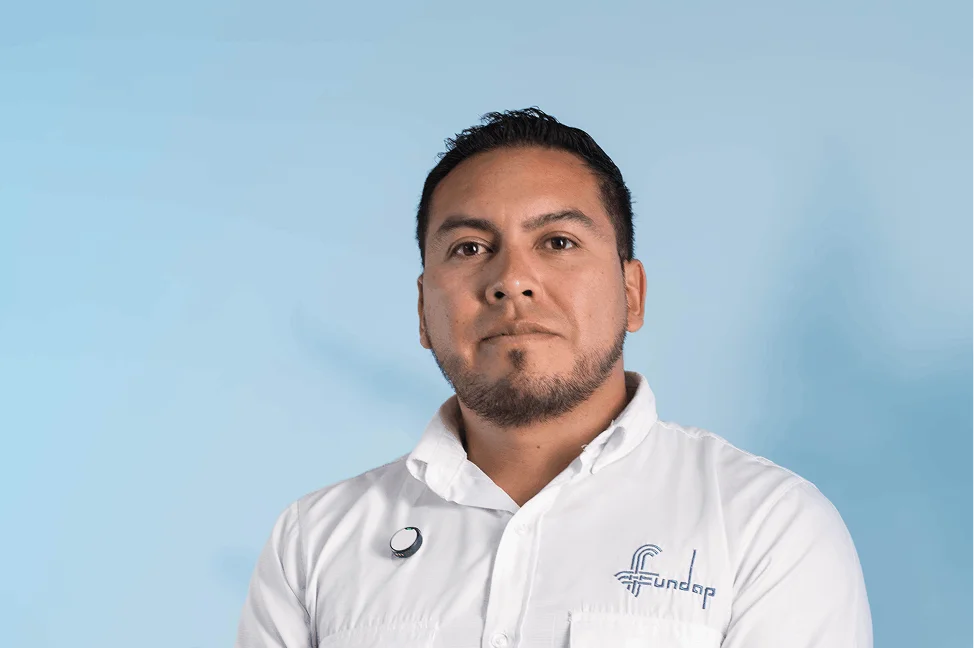 2:58
2:58
"FUNDAP represents an opportunity to serve"
Leonidas Fuentes, Agricultural Program
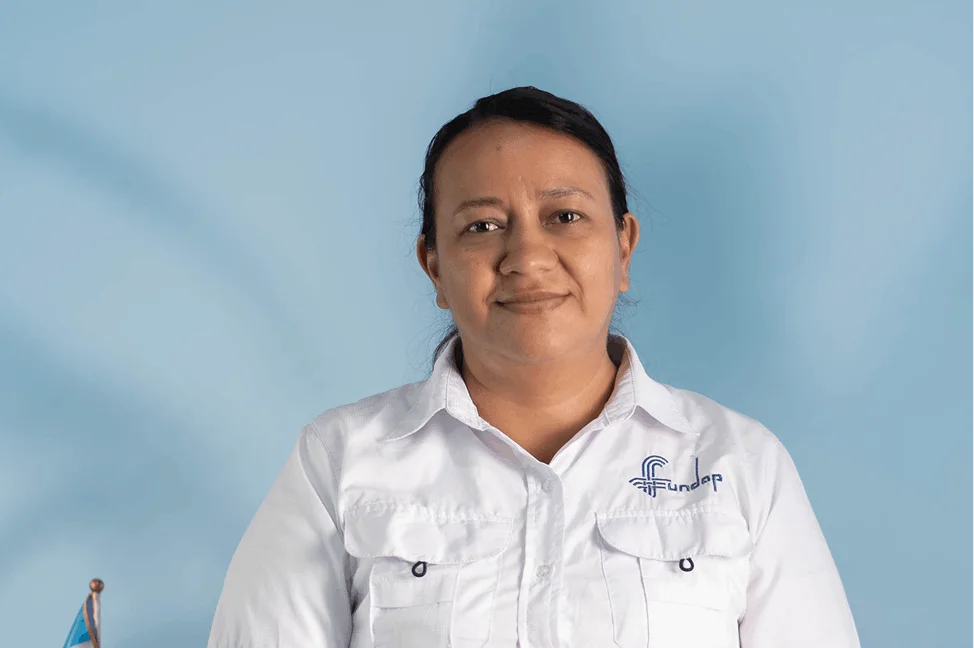 3:21
3:21
Working with love and commitment
Sigrid Gómez, Environmental Program
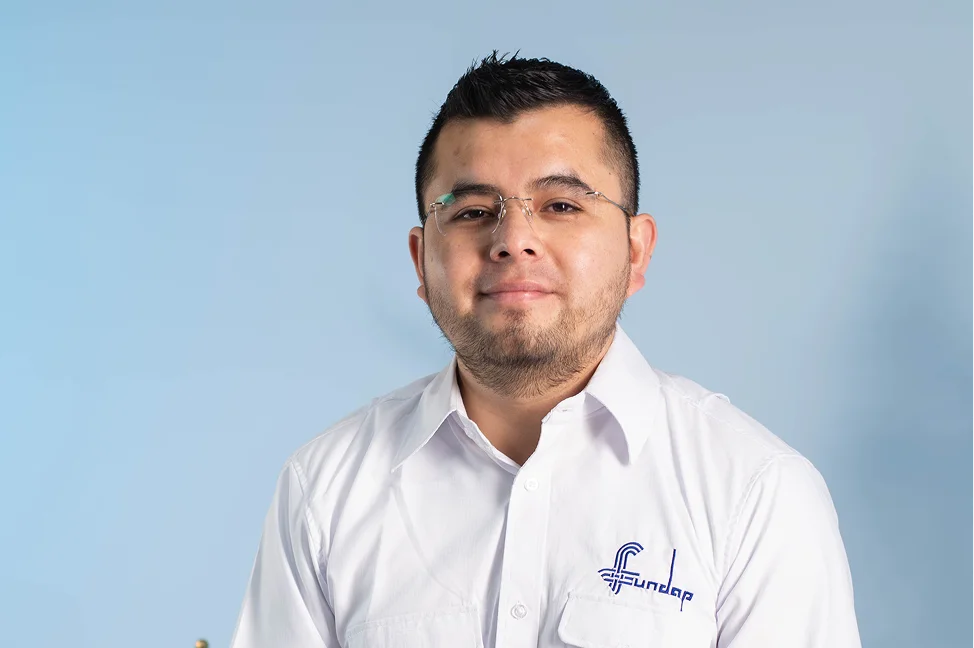 3:04
3:04
Work that impacts and transforms lives
Gerber Hernández, FUNDAP Central Office
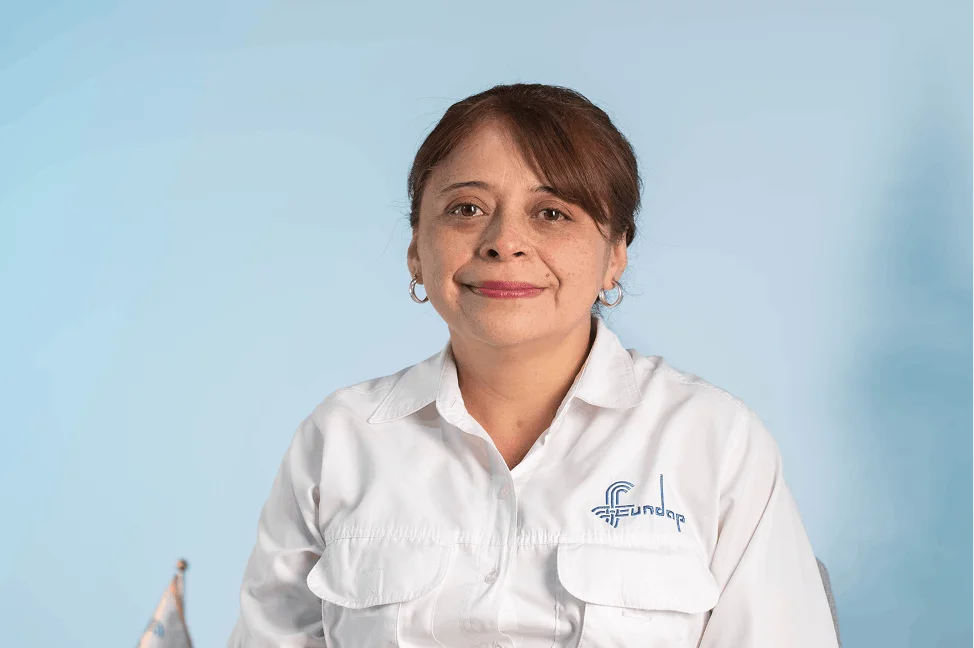 2:53
2:53
Always with respect for human dignity
Jaqueline Nimatuj, FUNDAP Central Office
Outstanding initiatives
Discover the year’s most significant projects and initiatives
Scholarships for Girls
The story of Ashley Sacalxot
Hope Project
An antidote to
indifference
Handicraft Course
Backstrap loom
weaving course
Featured initiative
Strengthening community leadership
Featured initiative
Vegetable production
shelters on the South
Coast
Featured initiative
More than 11,900 volunteer Health promoters trained
Course
Handicraft
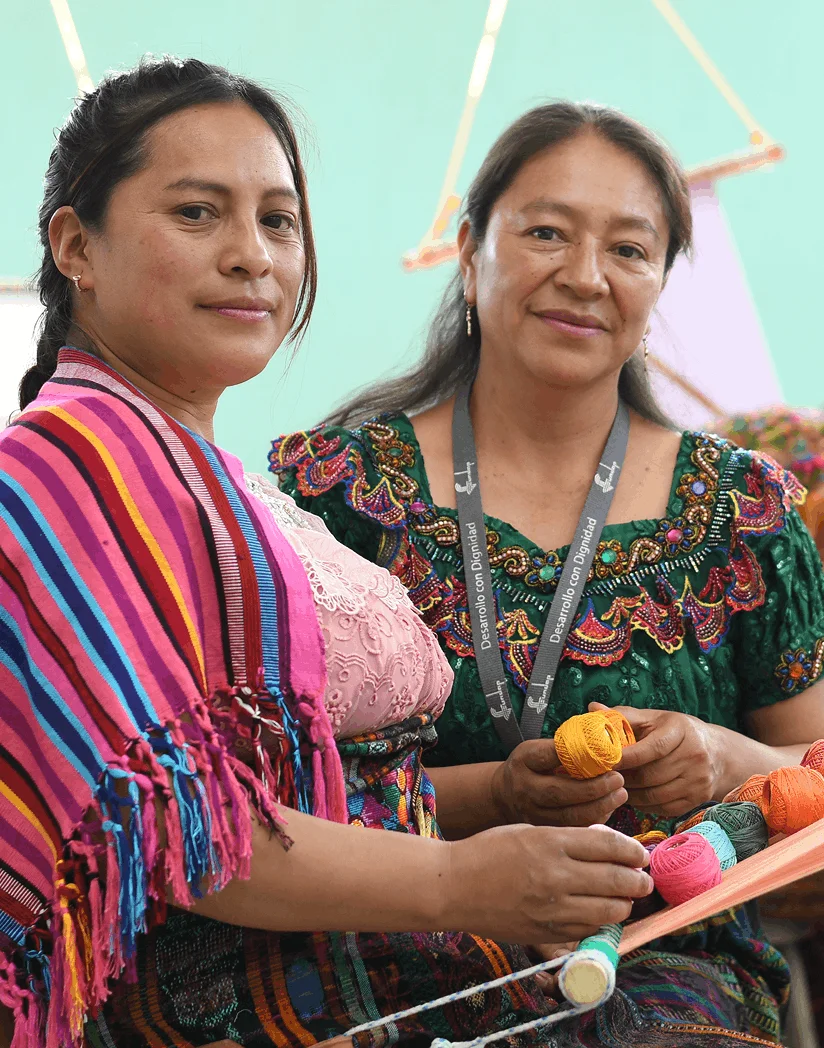
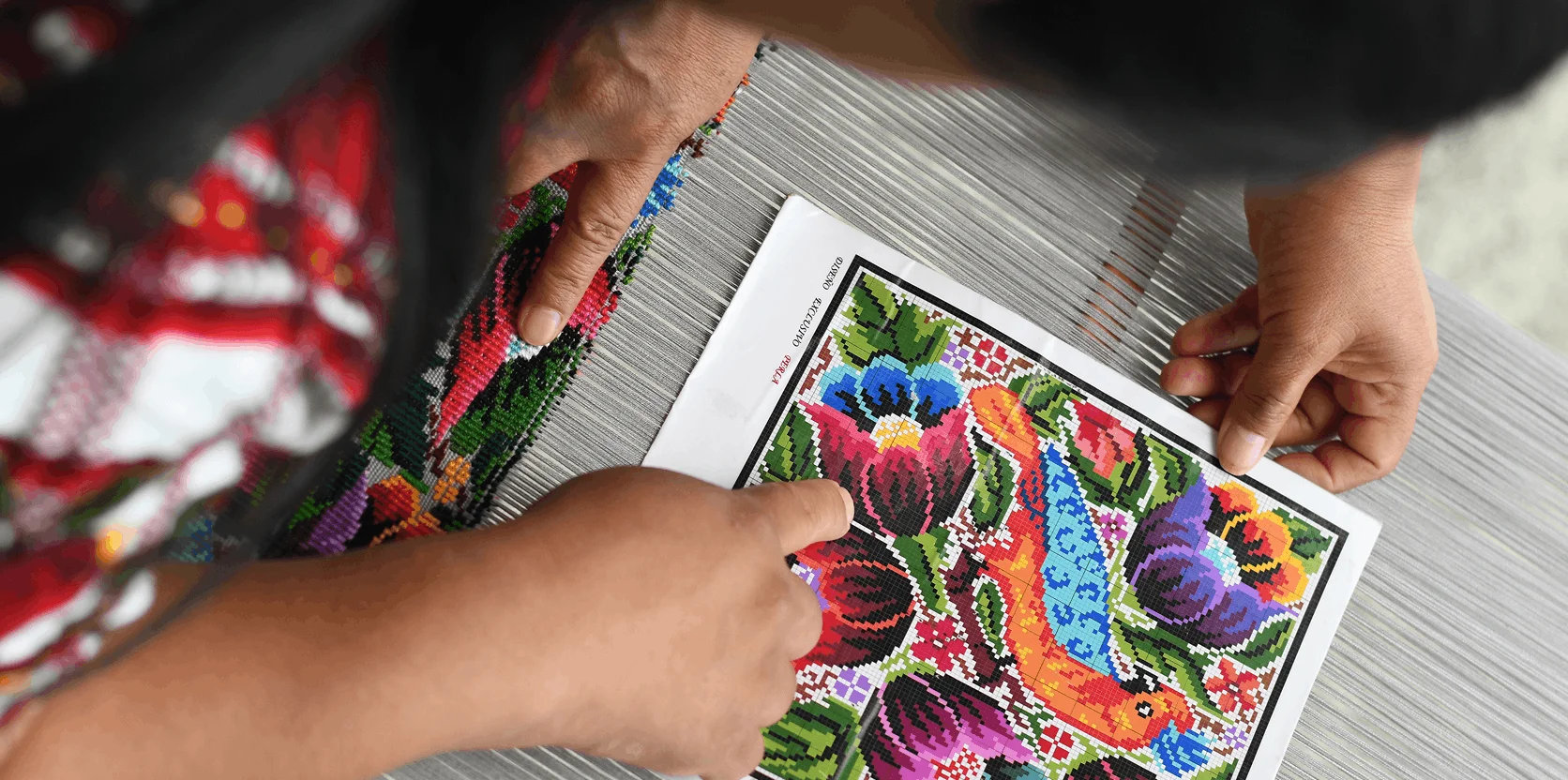
We provide specialized technical training in backstrap loom weaving, with the goal of fostering traditional craft practices in the production of fabrics, while building skills that allow women to generate income.

women were trained in backstrap loom weaving courses.
Strengthening capabilities through the backstrap loom weaving course
In 2025, the handicraft theme was approached through the backstrap loom weaving course, an initiative that empowered 53 visionary women. More than just a technical training, this space became a sanctuary of learning where every interlaced thread represents the determination and talent of our participants.
Thanks to specialized training and ongoing technical support, the students mastered the proper use of the loom, transforming the skill of their hands into a powerful tool for development. Today, these 53 women not only preserve traditional Guatemalan dress but also weave a future full of opportunities, demonstrating that tradition and progress can move forward hand in hand toward family well-being.
Beneficiaries by department:
Village Bank Congresses
Strengthening community leadership
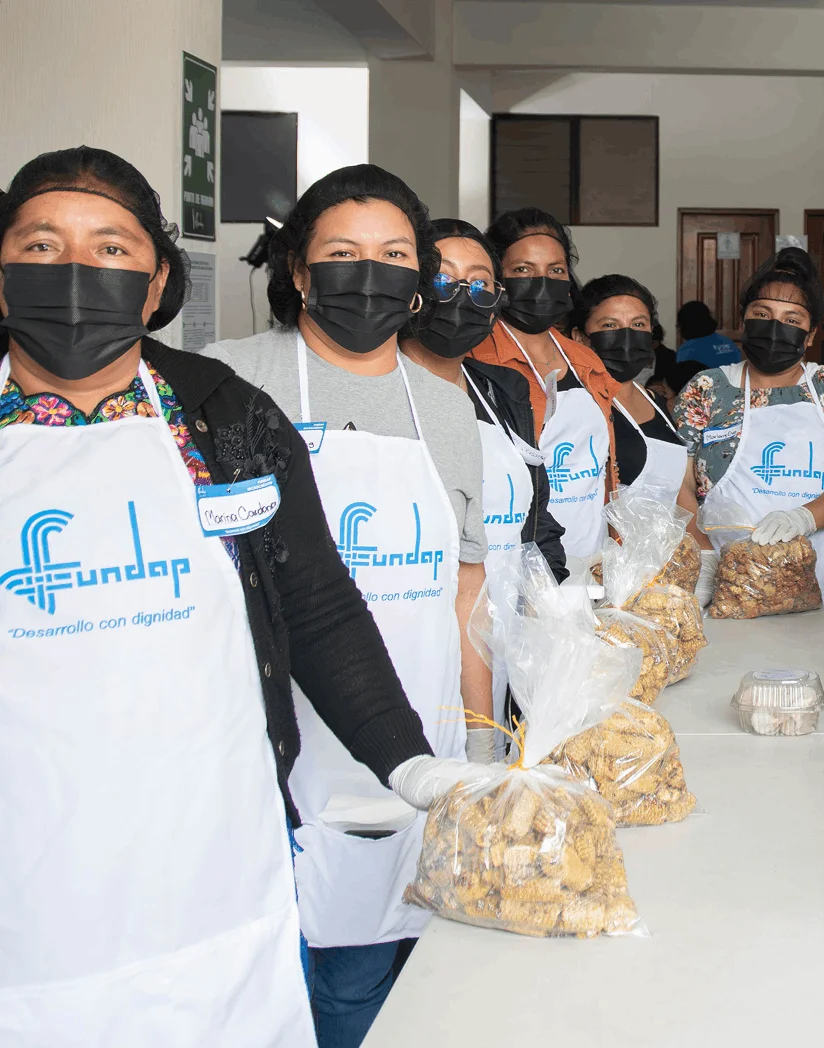
The economic development of communities is strengthened when women have the tools that allow them to improve their productive capacities, make informed decisions, and exercise leadership in their homes and communities. Within this framework, FUNDAP Microcredit promotes formative learning processes and co-working spaces aimed at personal growth and the strengthening of sustainable economic initiatives.
During 2025, the Village Bank Congresses were held with the goal of comprehensively strengthening the beneficiaries of the Microcredit Program. These gatherings combined financial and business education content with the development of key skills in the areas of Healthcare and Agriculture, fostering personal empowerment and the strengthening of practical skills for the growth of their businesses and the well-being of their families.
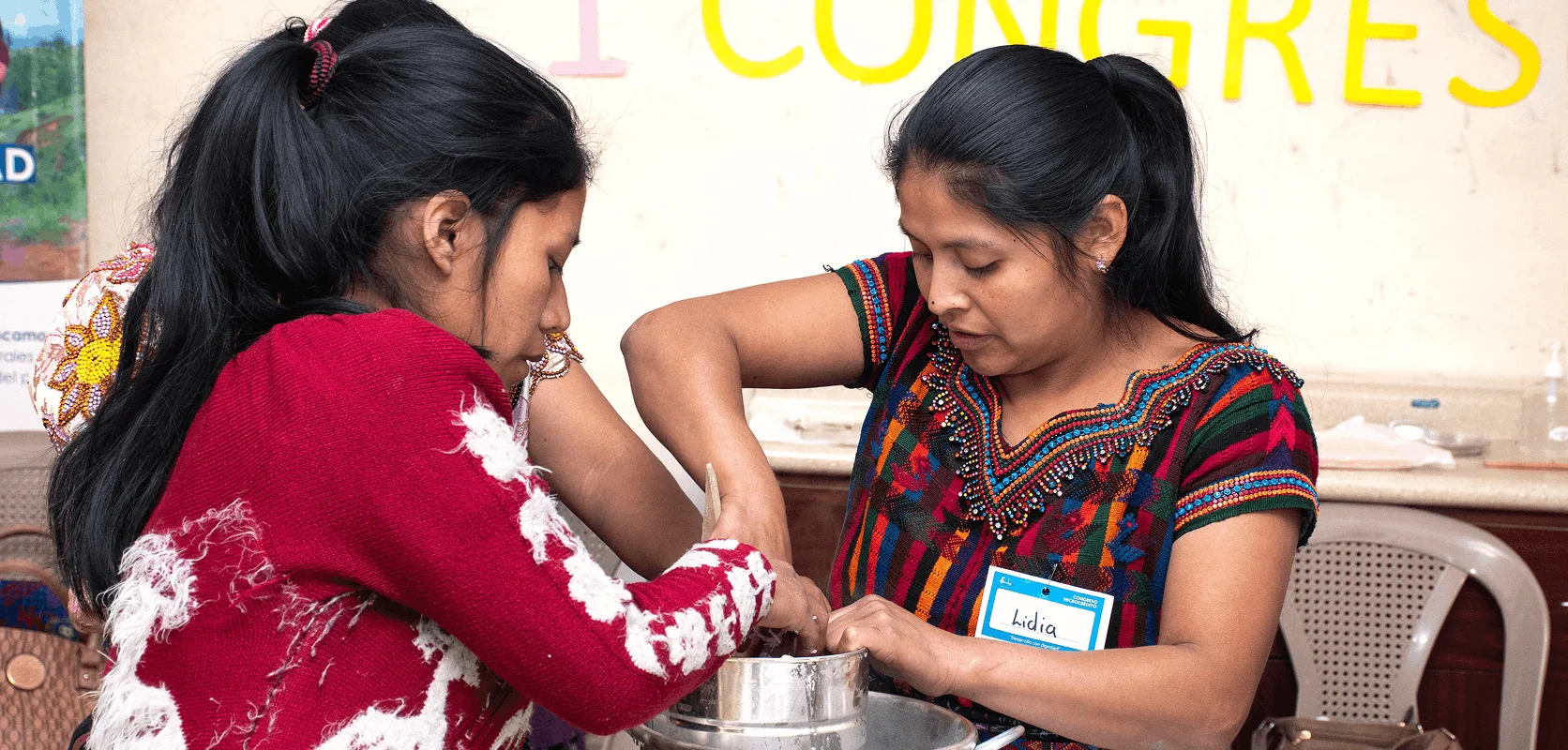
Throughout the sessions, participants expanded their knowledge in productive and preventive health topics. Among the content covered were the cultivation of oyster mushrooms, the establishment of family and vertical gardens, the management and care of poultry, as well as the prevention of cervical cancer, dengue, and respiratory illnesses. Practices oriented toward family well-being were also shared, such as the preparation of herbal infusions and expectorant syrups.
The congresses also promoted the development of entrepreneurial skills through sessions on idea generation, sales strategies, customer service, and the use of WhatsApp as a tool for entrepreneurship — providing participants with new alternatives to strengthen their productive initiatives and expand their income opportunities.
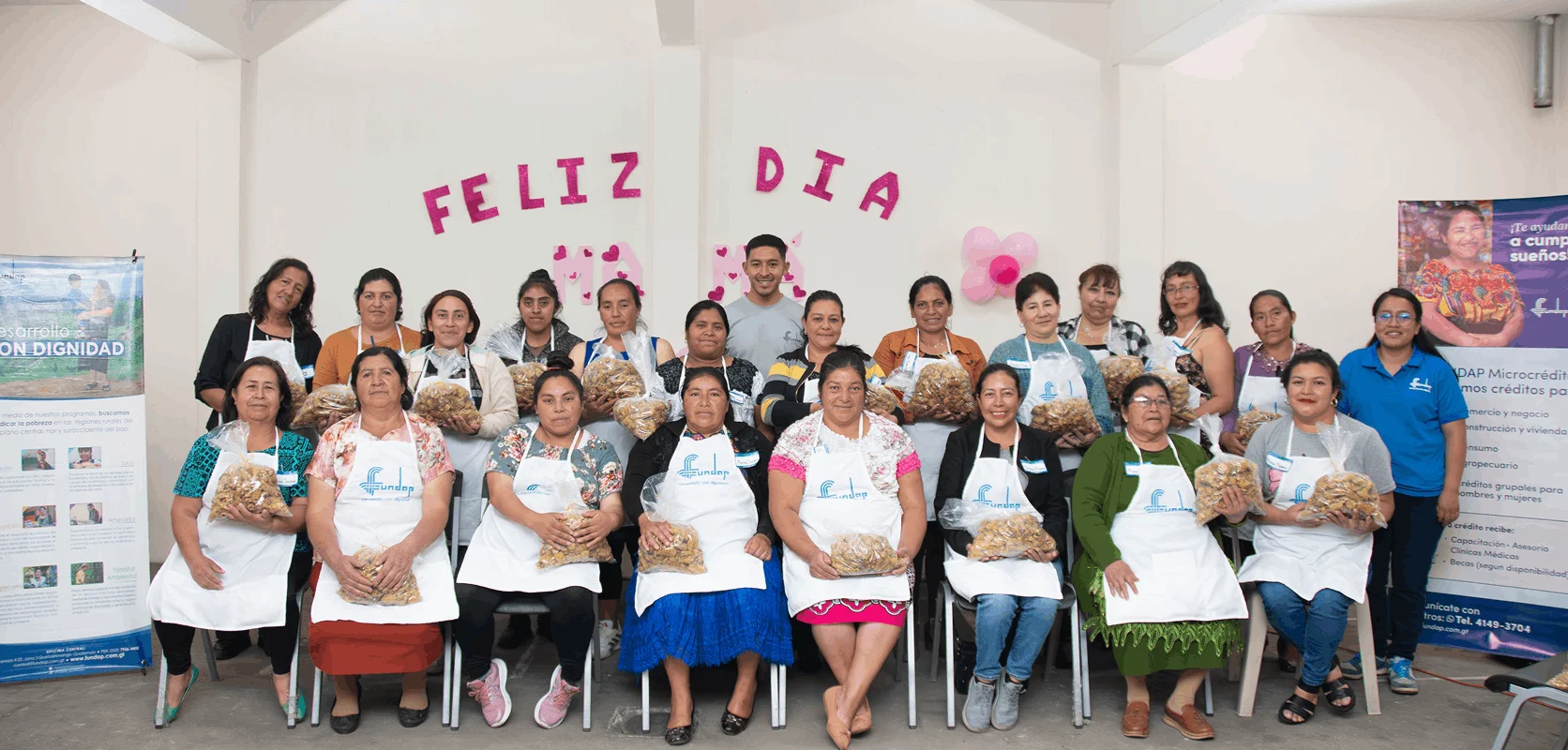
A total of 1,031 beneficiaries from various Village Banks across different branches of FUNDAP’s Microcredit Program took part in these sessions.
The Village Bank Congresses are establishing themselves as key spaces for strengthening the capabilities of women entrepreneurs, promoting knowledge exchange, and fostering community support networks that contribute to family well-being and the dynamism of the local economy.
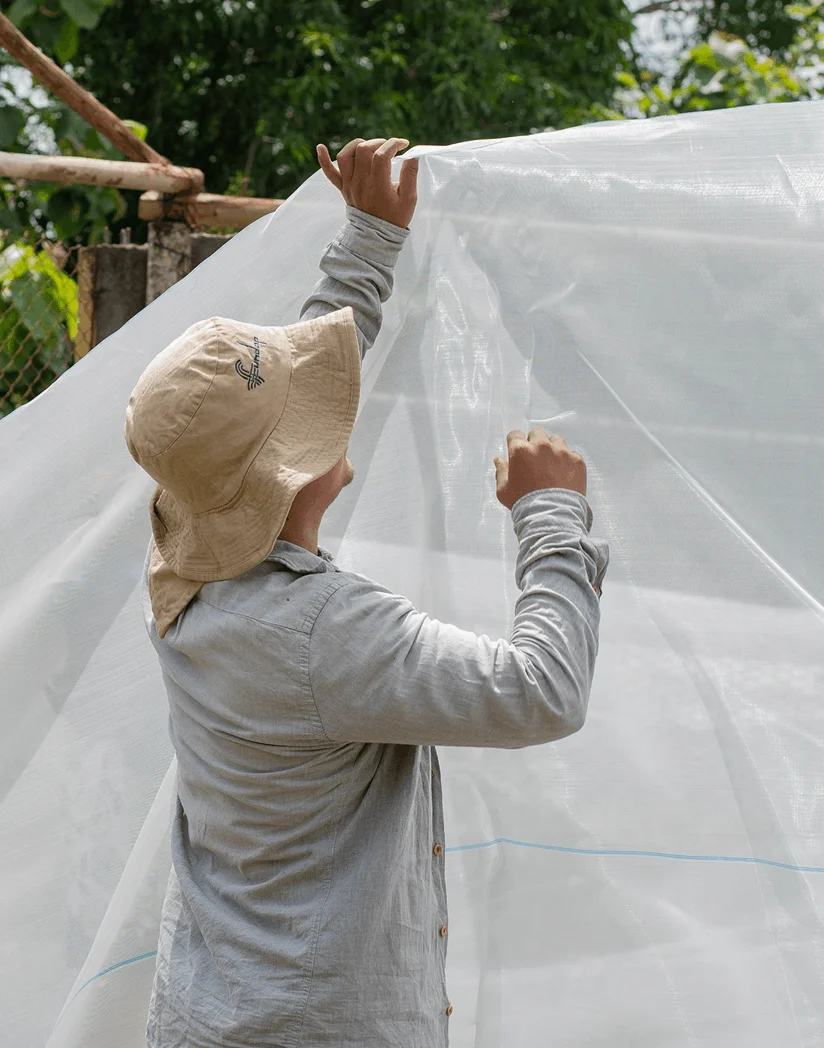
Vegetable production shelters on the South Coast
A climate-resilient response
At FUNDAP, we are convinced that the food security of rural families can be strengthened through the implementation of productive technologies adapted to the climatic conditions of each region. Through innovative solutions, we seek to enable communities to produce sustainable food and improve their quality of life.
In this context, through our Agricultural Program, we promoted the construction of agricultural shelters in communities on the South Coast, in municipalities of the departments of Suchitepéquez and Retalhuleu. This initiative is part of the project “Strengthening Food Security in 5 Municipalities of Suchitepéquez and 1 Municipality of Retalhuleu — Follow-up Phase,” which promotes productive alternatives for facing the effects of the climate.
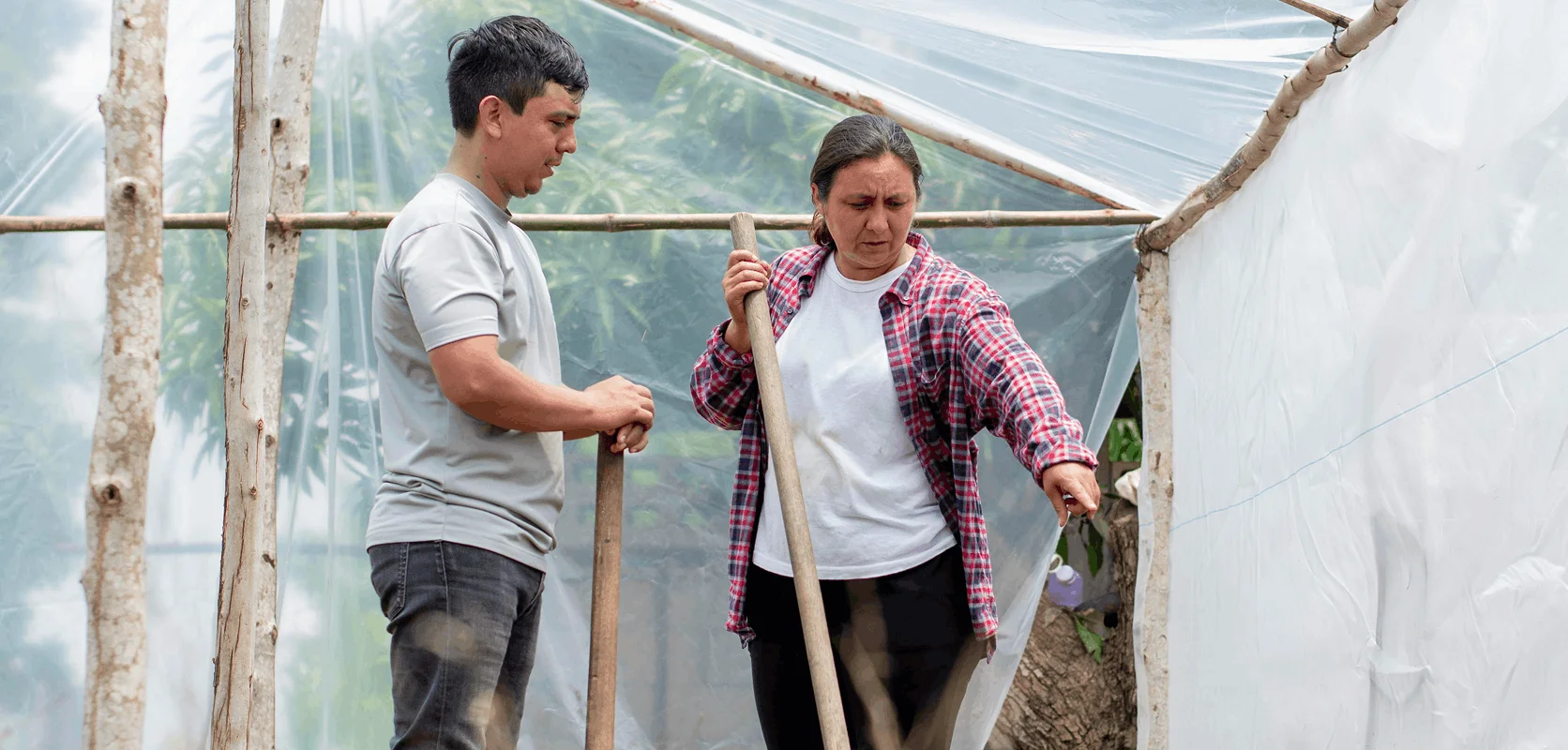
The construction of the shelters emerges as a response to the recurring damage to crops caused by heavy rains — a situation that has traditionally limited agricultural production in this region. Thanks to these structures, families can now grow vegetables in protected conditions, allowing them to produce food even during periods of high rainfall.
Through this intervention, beneficiaries are strengthening their diversified vegetable production capabilities, incorporating crops such as sweet potato, yucca, tomato, sweet pepper, black nightshade (hierba mora), and cucumber, broadening their productive options beyond the traditional cultivation of corn. This diversification not only improves the productivity of the agricultural space, but also contributes to a more varied and nutritious diet for families.
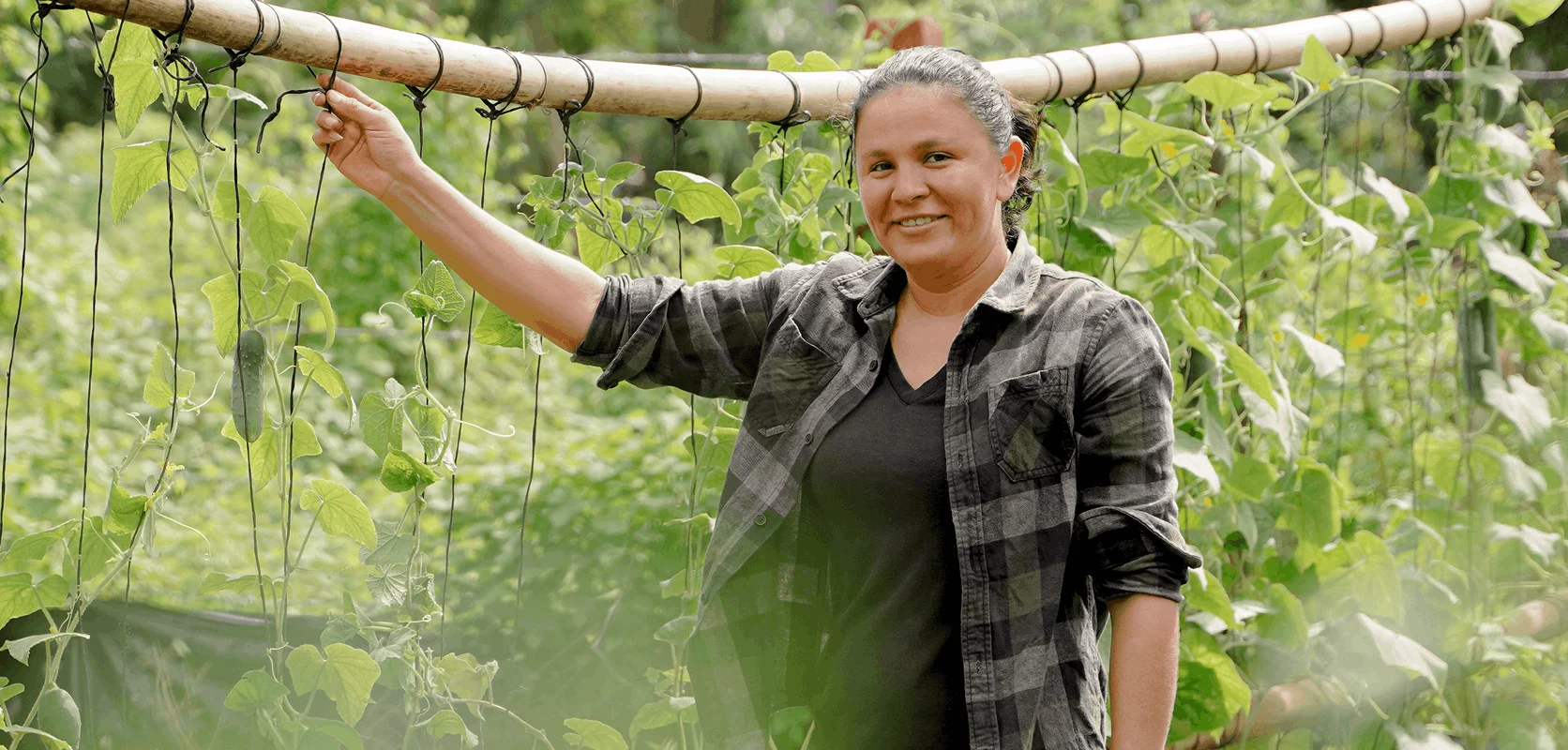
During 2025, this initiative allowed 160 beneficiaries to receive productive infrastructure that strengthens their agricultural systems. In addition to improving food availability, the production of surplus crops opens new opportunities for income generation through local sales, contributing to the family economy and the acquisition of other essential household goods.
These actions represent an important step toward strengthening food security on the South Coast, demonstrating that technical innovation and productive support can transform climate challenges into opportunities for sustainable rural development.
More than 11,900 Volunteer Health Promoters Trained
Strengthening Community Health in Guatemala
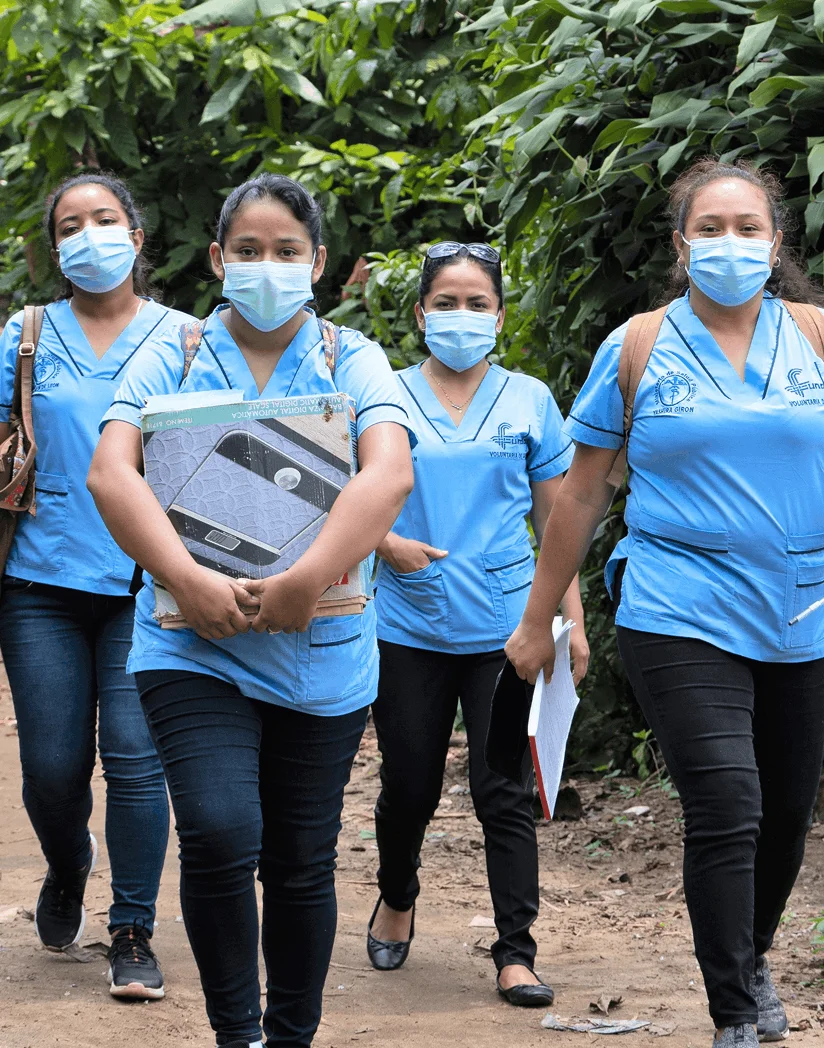
Over the past 10 years, FUNDAP has driven a sustainable model of community health through the training of volunteer health promoters, achieving significant impact in rural communities across the country. As a result of this effort, 11,964 volunteer promoters have been trained and certified: 10,879 women (91%) and 1,085 men (9%).
This gender difference in participation reflects their active role in family and community care, especially in matters of health and nutrition. The average age of the volunteers generally falls between 30 and 45 years old — a stage in which they combine life experience with availability for community service. In some cases, young women as young as 18 also take part, as well as older women with extensive community experience. Most have a primary school education, and a smaller percentage have reached junior high school or high school level. Despite limitations in formal education, they develop practical skills through ongoing training processes.
Regarding the volunteers’ occupations, between 50% and 65% are homemakers, 15%–25% are subsistence farmers, 10%–20% are engaged in informal commerce (sales, small entrepreneurship), 5%–10% work in handicrafts (mainly textiles), and between 2% and 5% have salaried employment (temporary or formal).
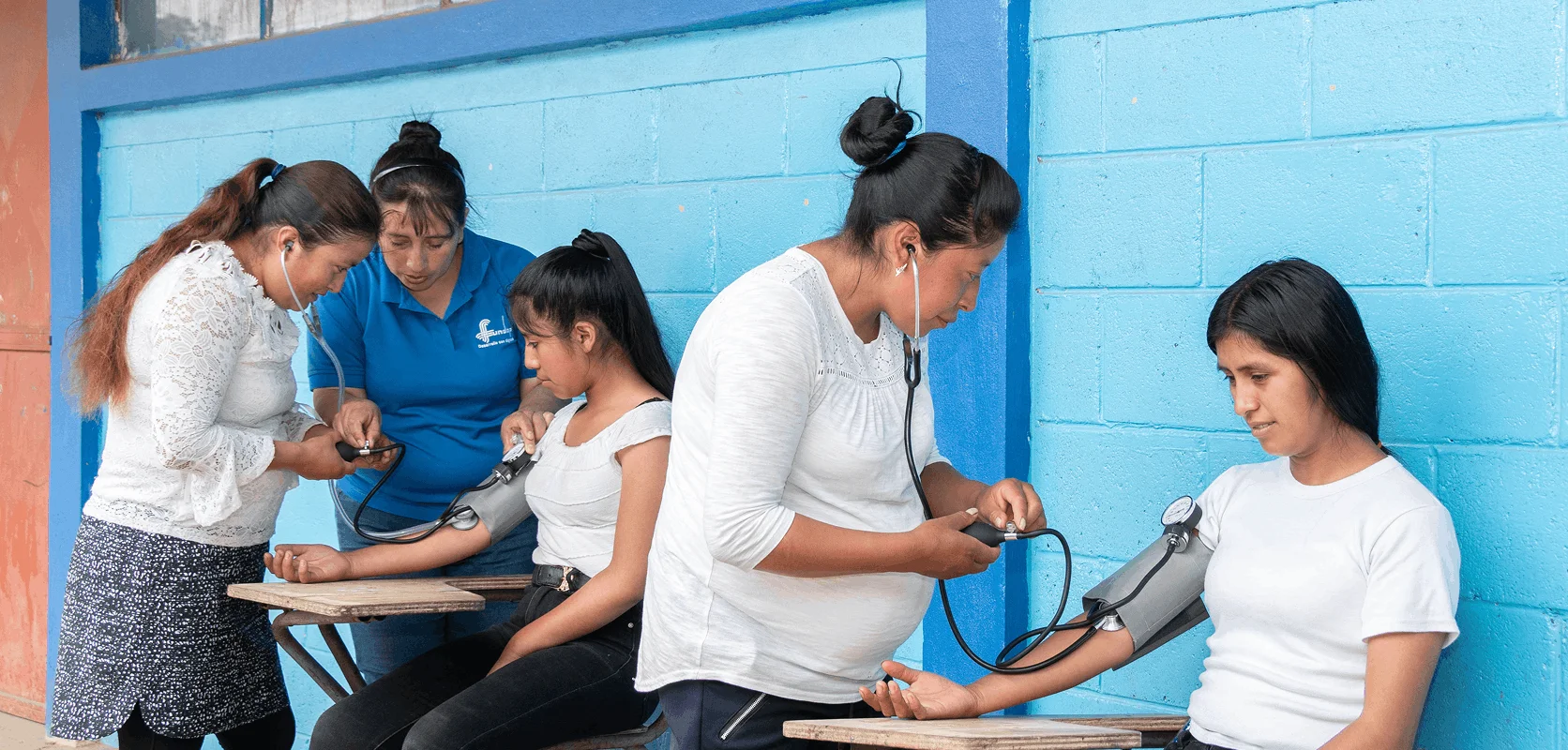
Health volunteers play a fundamental role in strengthening primary care, especially in rural communities with limited access to medical services. Their work contributes to disease prevention and the promotion of healthy practices. This process has helped strengthen access to basic preventive health services in highly vulnerable territories. The program has had presence in at least 7 departments of the country:
- San Marcos: 10 municipalities
- Quetzaltenango: 9 municipalities
- Suchitepéquez: 8 municipalities
- Retalhuleu: 7 municipalities
- Totonicapán: 6 municipalities
- Huehuetenango: 6 municipalities
- Chimaltenango: 3 municipalities
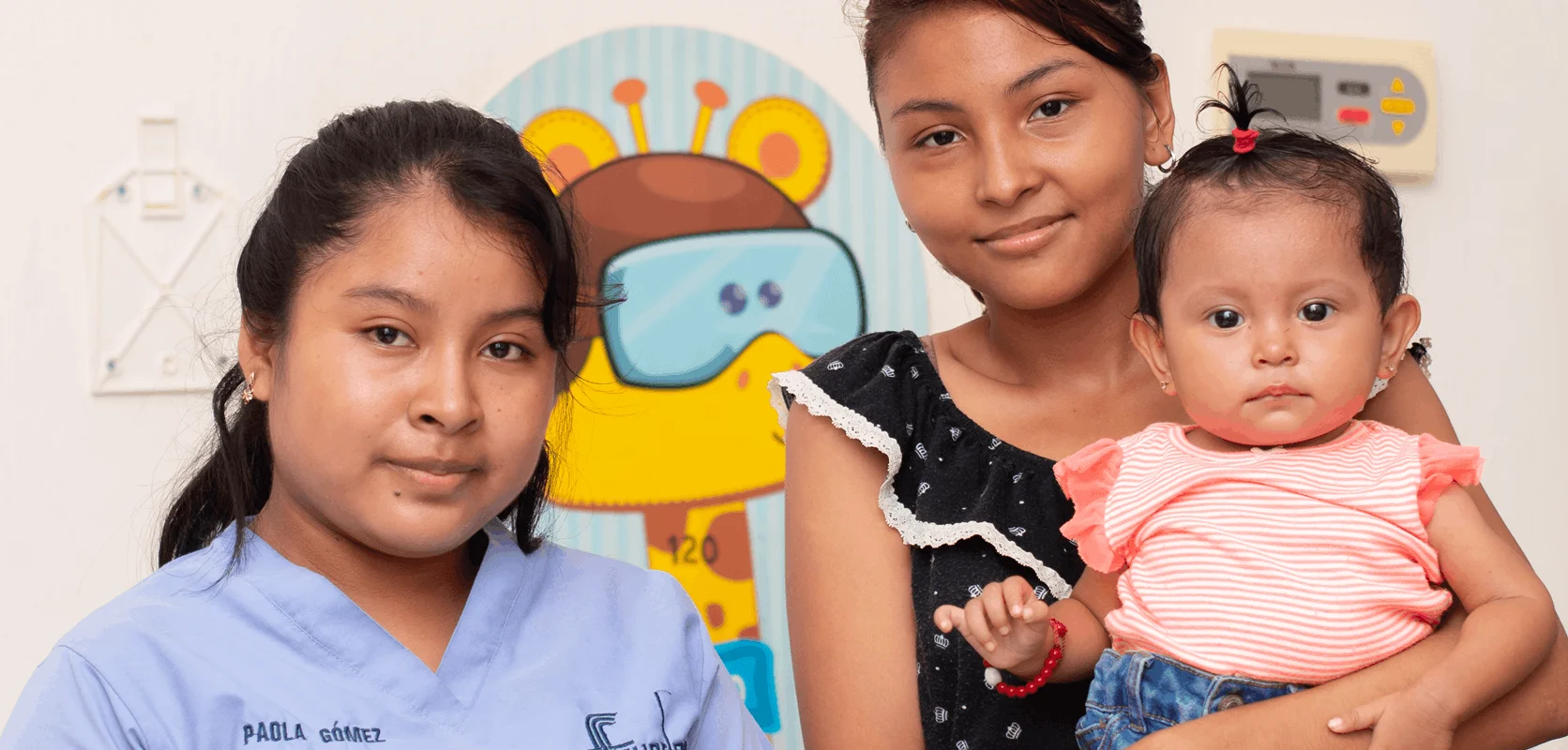
The promoters perform key functions such as: education in preventive health; nutritional monitoring of girls, boys, and women; promotion of hygiene practices; early detection of illnesses; and accompaniment of families in vulnerable conditions. On average, each volunteer carries out between 15 and 25 community actions per month, benefiting multiple families.
FUNDAP has also promoted community organization through Nutritional Monitoring Committees, which follow up with children and women during pregnancy or breastfeeding, and Risk Management Committees, which strengthen preparedness for natural disasters.
Today, thousands of volunteers are key actors in the transformation of their communities, building healthier environments.
Project
Scholarships for Girls
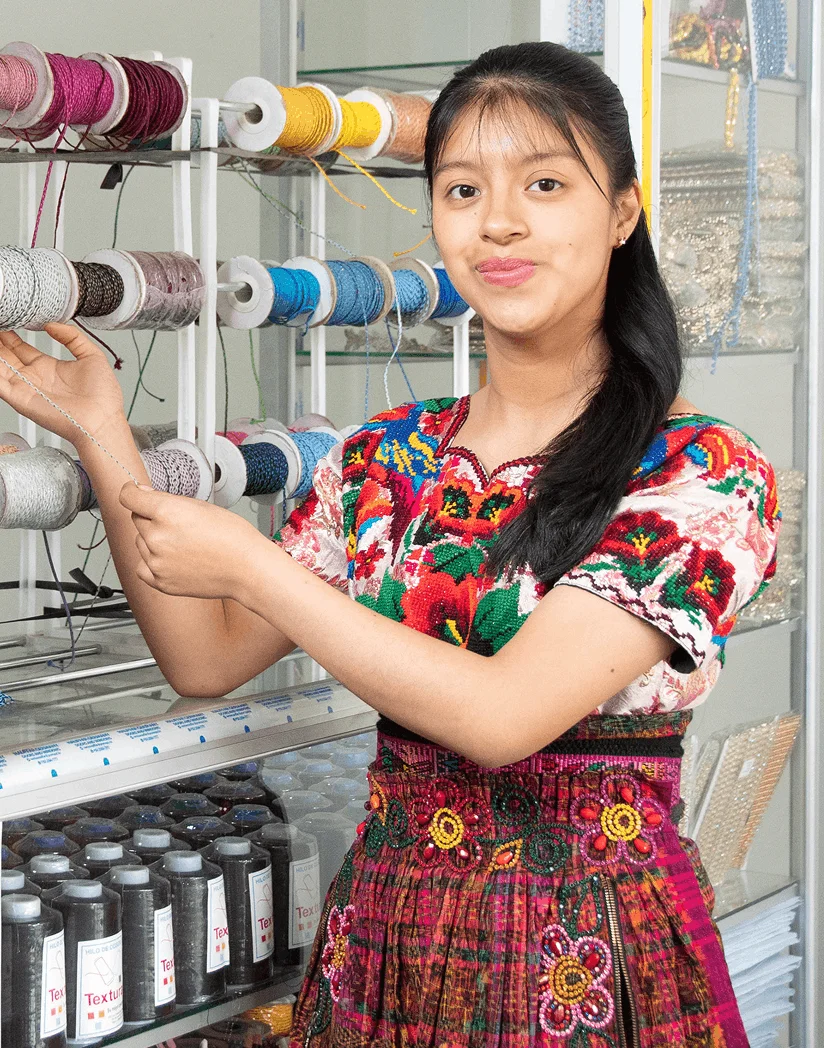
The story of Ashley Sacalxot
From a very young age, Ashley Sacalxot understood that dreams are achieved through effort, discipline, and determination. Born in 2008, she has grown up in a family that has been a fundamental pillar of her personal and academic development.
Her story took an important turn when she was in fourth grade, when she had the opportunity to join the Scholarships for Girls project. This support strengthened her educational journey and transformed her reality.
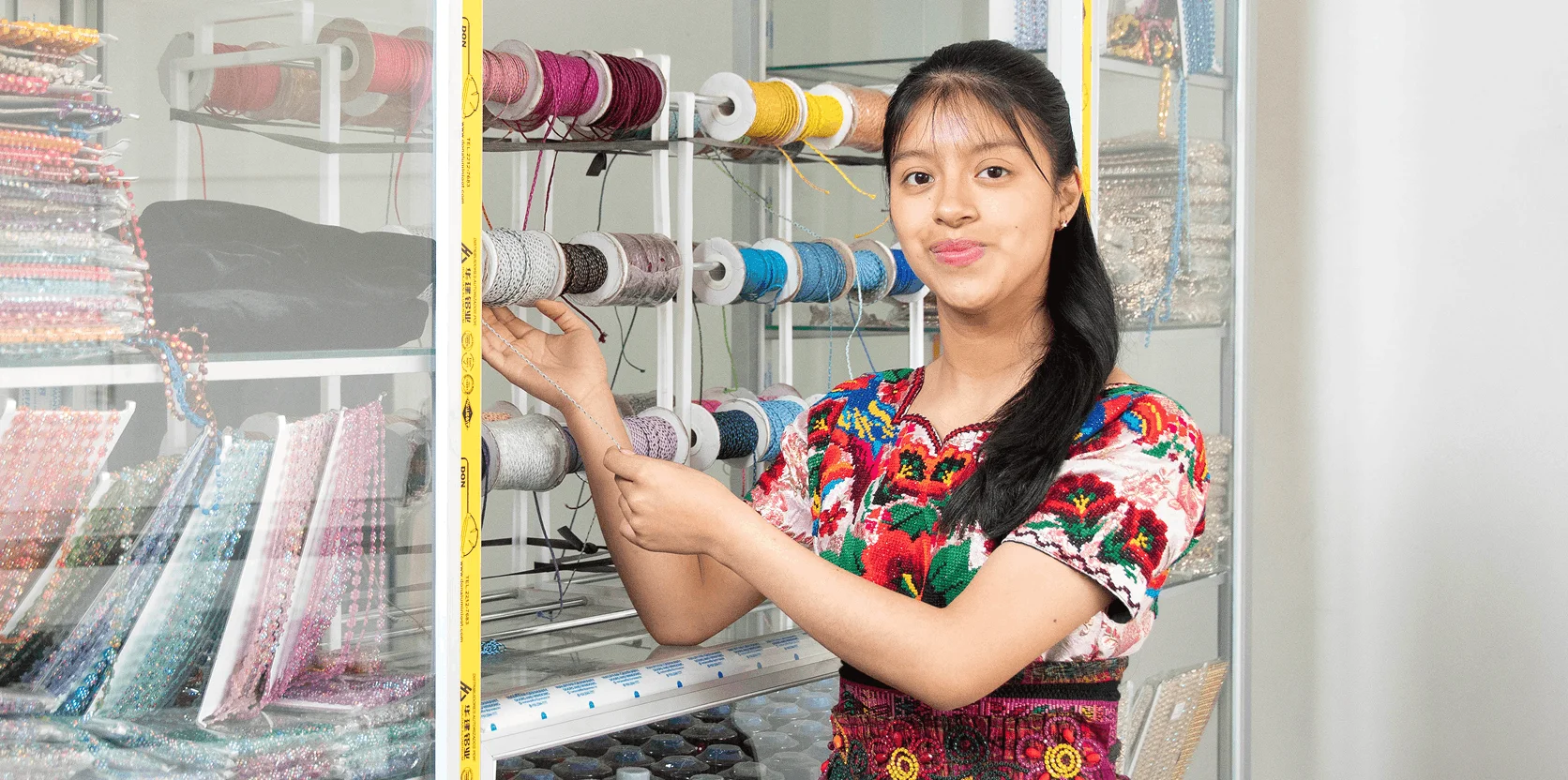
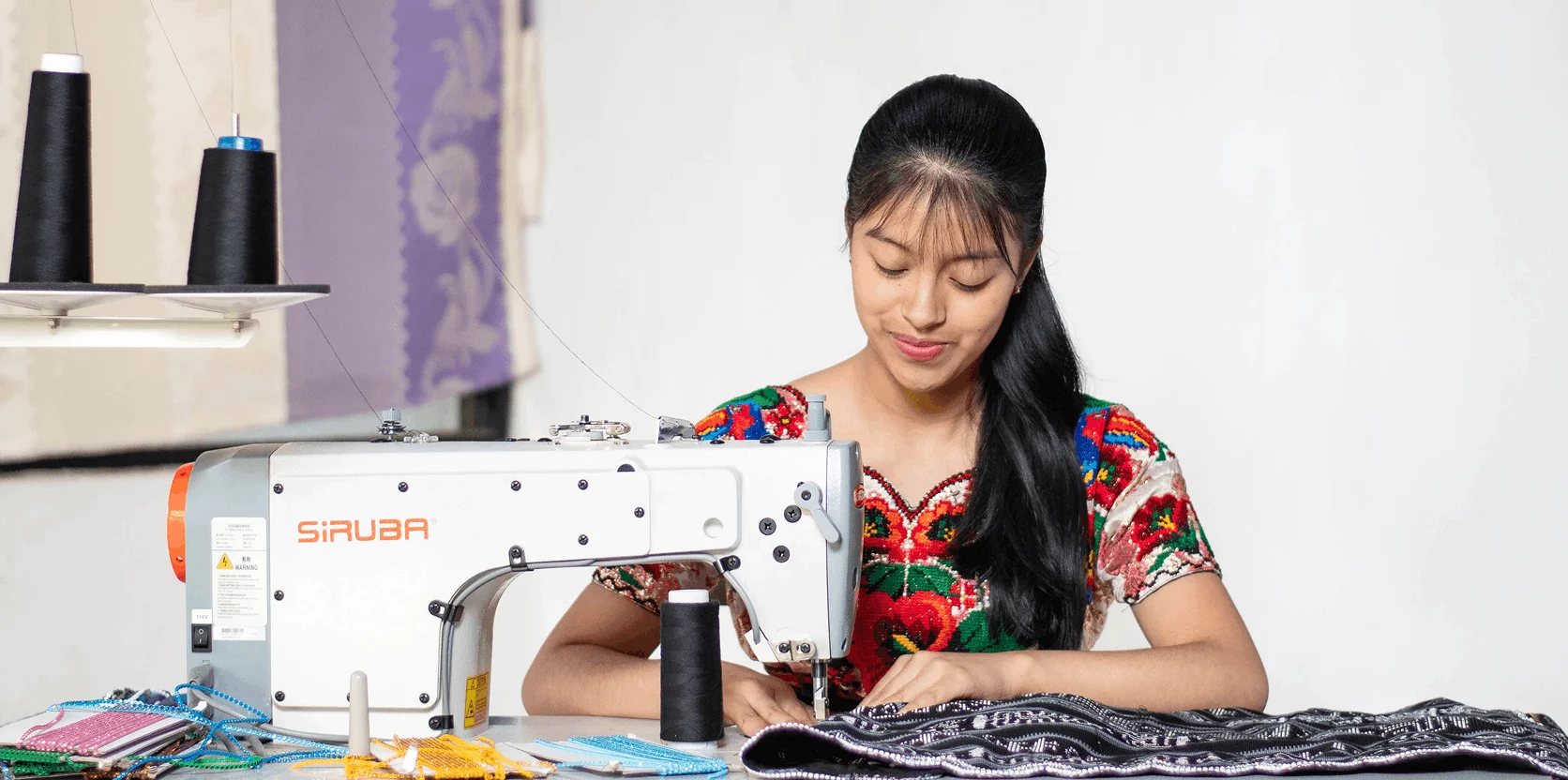

As she began secondary school, Ashley continued her studies with the unconditional support of her parents. However, the economic limitations of her household motivated her to find ways to contribute. That’s how she began learning to sew aprons, developing productive skills and a strong sense of responsibility from an early age.
During this process, her family faced one of its most challenging moments, when her father made the decision to migrate to the United States in search of better economic opportunities. Despite the distance and the difficulties, Ashley remained firm in her commitment to education.
In 2023, she successfully completed 9th grade, after six years in the Scholarships for Girls project. This achievement marked the beginning of a new chapter in her life, motivating her to pursue a degree in Business Administration. At the same time, her entrepreneurial spirit grew. In 2025, she joined the family business, a small store dedicated to selling materials for making aprons and güipiles. Through this experience, Ashley has strengthened her knowledge, applying what she has learned and contributing to her family’s economic development.
Today, in 2026, Ashley is on the verge of reaching one of the greatest achievements of her life: graduating as a Business Administrator. Her story shows that, even in the midst of challenges, education, family teamwork, and perseverance can open opportunities and build a better future. Through stories like Ashley’s, FUNDAP’s Scholarships for Girls project continues to transform lives, accompanying more young women in building their dreams and developing their potential.
Scholarships for Girls
Thanks to the support received, the Scholarships for Girls project continues to guarantee access to education for girls in vulnerable situations in Guatemala. The funds enable their continued enrollment in school and provide the support needed to build a better future.

girls and young women supported
of scholarship girls finish the school year with outstanding results
retention rate among girls in the schools where the Project operates
Project
Hope
An antidote to indifference

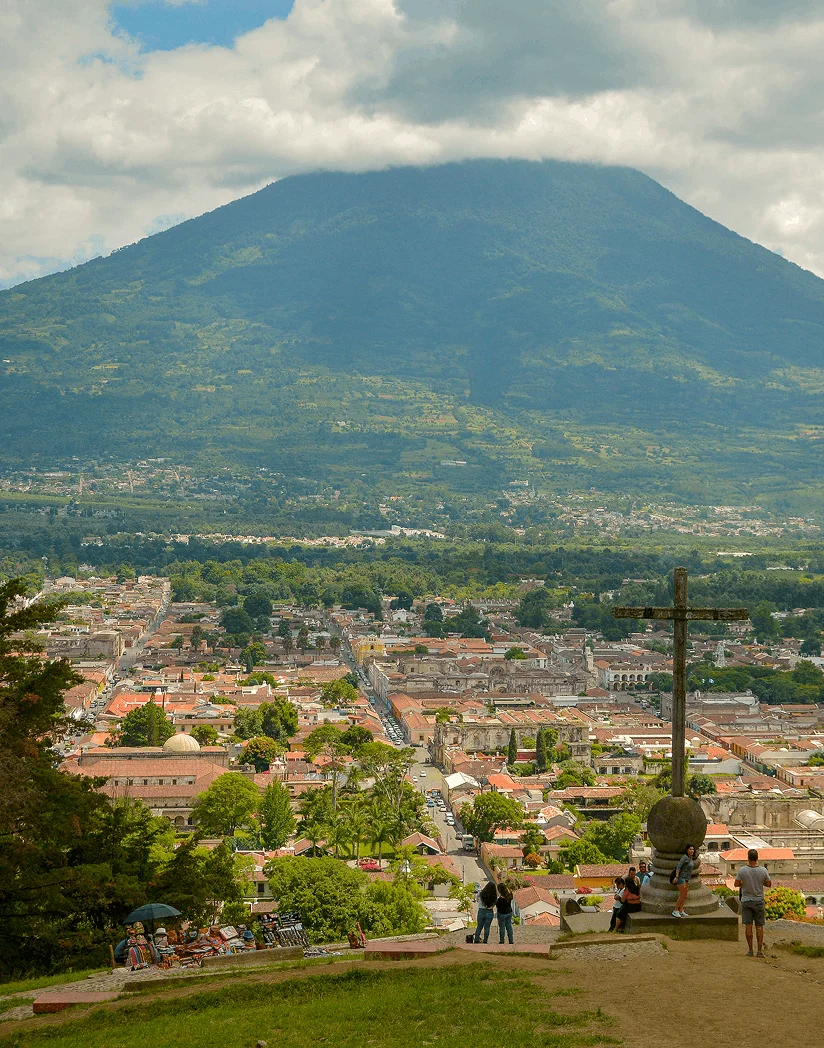
The Hope Project arises as a solidarity-driven response to a reality that is becoming increasingly visible: the growing vulnerability of many families facing difficult situations. In contexts where economic, social, and personal challenges intensify, it is common for people to face moments when finding a way out becomes difficult.
In response to these circumstances, the Hope Project seeks to support families by providing timely, close, and human assistance. More than a definitive solution, it represents a backstop in critical moments, providing basic resources and, above all, reminding them that they are not alone in their recovery process.
Hope also opens up a space for FUNDAP collaborators to exercise service from their own capabilities, contributing creativity, commitment, and teamwork to support those who need it most. In this way, an institutional culture grounded in solidarity and accompaniment is strengthened.
During 2025, the project developed two lines of action:

55 families supported
with full or partial support
from FUNDAP

Initiatives driven
through the voluntary contributions
of our collaborators
Beyond the figures, each action represents a family that received support at a key moment, and the opportunity to move forward toward a new beginning.
Cooperation Agencies
Private Sector
Academic Institutions